
If you’re living with sharp, shooting pain down your leg, numbness, or a deep ache in your lower back, you may be dealing with sciatica. For many people in Victoria, sciatica can make walking, sitting at a desk, driving, or enjoying favourite activities feel difficult and frustrating. At Equilibrium Therapeutics, we support patients every day who are looking for safe, nonsurgical options and want to know what helps with sciatic nerve pain in the lower back and leg.
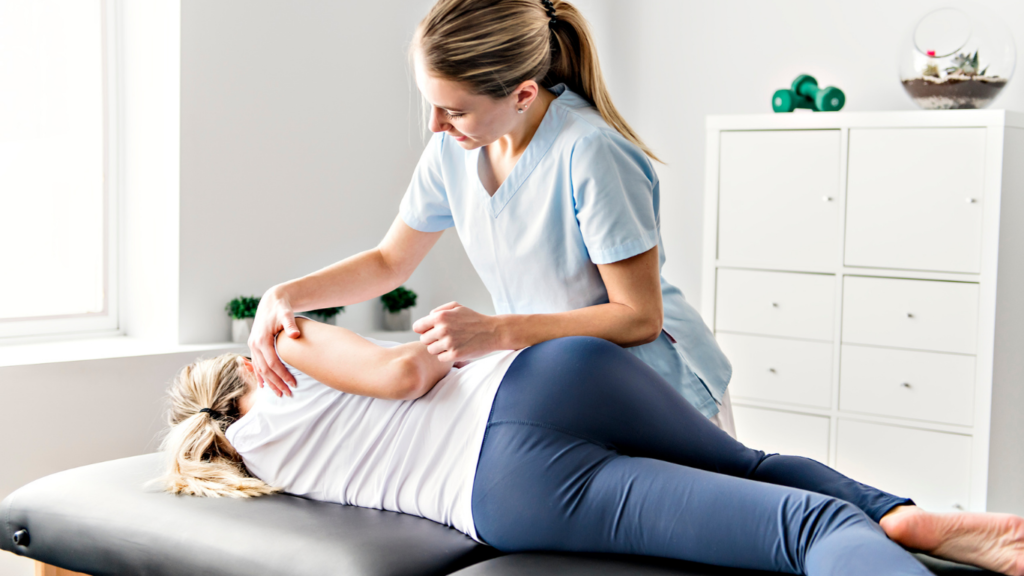
What Is Sciatica?
Sciatica describes irritation or compression of the sciatic nerve or its roots, usually in the lower (lumbar) spine or around the sacrum. This large nerve travels from your lower back, through the buttock, and down the back of your leg, following the sciatic pathway into the calf and foot. When the nerve is irritated, it can create a pattern of lumbar nerve pain and referred pain that you feel in the leg rather than only in the back.
Many people notice symptoms on one side of the body, such as burning, tingling, weakness, or electrical pain that gets worse with sitting, bending, or lifting. Others feel more dull, nagging pain with stiffness around the lumbar spine and hip.
Common Causes of Sciatica Pain
Sciatica is a symptom, not a single diagnosis. Several changes in the lower spine can contribute to sciatic nerve compression or spinal nerve irritation.
- Disc bulge or herniation: The intervertebral disc between the vertebrae can bulge or tear, sometimes pressing on a lumbar or sacral nerve root. This can lead to classic disc bulge symptoms such as sharp shooting pain, numbness, or weakness in a specific pattern down the leg.
- Foraminal narrowing (stenosis): The “tunnels” (foramina) where the nerves exit the spinal canal can narrow over time due to age-related changes, arthritis, or previous injury, leading to nerve root compression and leg pain with walking or standing.
- Arthritis and joint irritation: Facet joints in the lumbar spine can become stiff or inflamed, potentially contributing to spinal nerve irritation and referred pain into the buttock or thigh.
- Muscle tension and imbalance: Tight paraspinal muscles, gluteal muscles, and deep hip rotators can put extra stress on the lower back, changing how load moves through the spine and sciatic pathway.
Sometimes, other health factors such as stress, deconditioning, or previous injuries can increase nerve sensitivity and nerve inflammation, making sciatica symptoms feel stronger or last longer.
How Physiotherapy May Help Sciatica

For many people, conservative care such as physiotherapy, exercise, and pain management strategies may be enough to ease symptoms and support a return to regular activities. Research on nonsurgical options for acute and subacute sciatica suggests that combining physical therapy with other medical care may help. This approach has been associated with reduced leg pain intensity and improved physical function over time.
At our Victoria clinics, physiotherapy treatment is individualized. We look at how your lumbar spine moves, how your hips and core muscles support you, and which positions ease or aggravate your pain. From there, we create a plan that may support healing and help calm irritated nerves.
Key Physiotherapy Approaches We Use
When you come to us for physiotherapy for sciatica in Victoria, your plan may include several of the following elements.
- Gentle movement and unloading positions: Carefully chosen movements may help reduce pressure on irritated nerve roots and promote more comfortable movement of the sciatic nerve within the spinal canal and along the leg.
- Core stabilization and hip strength: Targeted exercises can improve the support around your lower back and pelvis. Strong, well-coordinated core and hip muscles may reduce strain on the intervertebral discs and facet joints, supporting longer-term pain management.
- Manual therapy: Hands-on techniques to the lumbar spine, sacrum, and surrounding soft tissues may help decrease muscle tension and improve joint mobility. In some patients with radiculopathy, spinal manipulations have been associated with short- to medium-term reductions in pain and disability. This has been observed in comparisons with both sham treatments and conventional physical therapy alone. We always consider whether this style of treatment is appropriate and comfortable for you.
- Education and activity modification: Understanding which positions irritate the nerve and which positions soothe it can make daily tasks more manageable. We work with you on pacing, safe lifting, and strategies that fit into work, family life, and your favourite activities.
- Individualized exercise progressions: As symptoms settle, we gradually build more challenging therapeutic exercise to restore strength, flexibility, and confidence in your back and legs.
Collaborative Care: Beyond Physiotherapy
Because Equilibrium Therapeutics is a multidisciplinary clinic, sciatica treatment in Victoria BC can be approached from several angles when appropriate. Depending on your needs, we may coordinate care with registered massage therapy to address muscle tension in the paraspinal muscles, glutes, and legs; chiropractic care for joint-focused treatment when spinal or pelvic alignment and mobility are significant contributors to your pain; acupuncture or IMS/dry needling to help calm muscle guarding and support overall pain management; and therapeutic exercise or kinesiology services to build a sustainable, home-based plan that supports long-term back health.
For some patients, medical care such as nonsteroidal anti-inflammatory drugs (NSAIDs) or other medications may also be considered. In comparisons of nonsurgical interventions for acute and subacute sciatica, combinations involving NSAIDs and physical therapy modalities have been linked with improved leg pain and function, although the confidence in this evidence is considered very low. We can communicate with your physician if a combined approach makes sense.
How We Assess Sciatica at Our Clinic
During your initial visit, we begin by listening carefully to your story. We want to understand when your symptoms started, what makes them worse or better, and how they affect your work, sleep, and daily activities. Then we perform a physical assessment of the lumbar spine, hips, and pelvis. This includes neurological screening for strength, reflexes, and sensation along the sciatic pathway, as well as special tests to help differentiate disc bulge symptoms from other sources of referred pain. We also assess posture and functional movements such as sitting, squatting, walking, or lifting.
In more persistent cases, some interventional procedures such as selective nerve root blocks are sometimes used in broader medical pathways. These help clarify which nerve level is involved and guide more advanced treatments. While these procedures take place outside our clinic, we are happy to collaborate with your wider healthcare team if this becomes part of your journey.
What to Expect From Sciatica Treatment in Victoria, BC
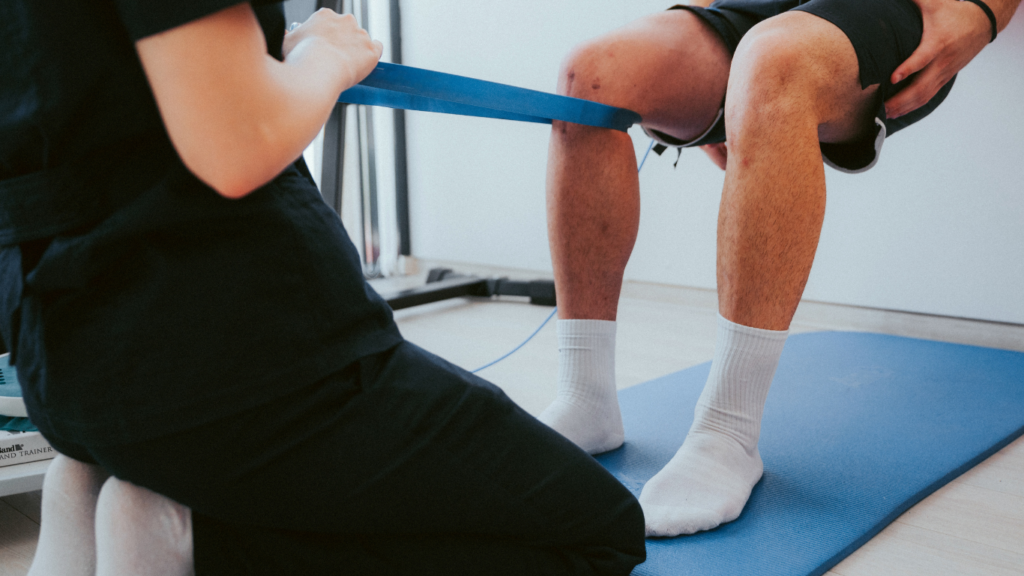
Most people want to know how quickly they will feel better. Every case is unique, and recovery depends on factors like how long symptoms have been present, the cause of nerve root compression, general health, stress levels, and how consistently you are able to follow your exercise program.
We are here to help you move better, feel more comfortable at work and at home, and get back to hiking, cycling, running, and yoga around Greater Victoria. Long term, we focus on building the strength, mobility, and lifestyle habits that help keep flare-ups from coming back.
In a calm, welcoming setting, our team focuses on clear communication, steady progress, and a plan that feels realistic for you.
FAQ: Sciatica and Physiotherapy in Greater Victoria
What helps with sciatic nerve pain in the lower back at home?
Gentle movement, short walks, and positions that ease pressure on the lower back (such as lying with knees supported) may temporarily reduce symptoms. Many people find it helpful to avoid long periods of sitting, especially on soft couches. A physiotherapist can show you specific movements that are safe for your pattern of sciatic nerve compression.
Do I need imaging like an MRI before starting physiotherapy?
Many people begin physiotherapy without imaging. If we notice any concerning signs that suggest a more serious issue, we will recommend medical follow-up. In many cases, careful assessment of symptoms, nerve changes, and movement is enough to start a safe, effective physiotherapy treatment plan in Victoria.
Can I keep exercising if I have sciatica?
In most situations, staying gently active is encouraged, but your routine may need to be modified. High-impact or heavy lifting may aggravate nerve inflammation when symptoms are strong. We work with you to adjust gym workouts, running, cycling, or yoga so that you can remain as active as possible while allowing irritated spinal nerves to calm down.
When should I seek urgent medical attention?
Red-flag symptoms such as sudden loss of bladder or bowel control, rapidly worsening leg weakness, or numbness in the groin area require immediate medical attention. If you are unsure about your symptoms, we always encourage you to contact your doctor, an urgent care clinic, or emergency services.
Do you offer sciatica treatment across Greater Victoria?
We have three clinic locations serving patients from Victoria, Saanich, Oak Bay, View Royal, Langford, and Colwood. Our multidisciplinary team can coordinate physiotherapy, massage therapy, chiropractic, acupuncture, and other services to support back pain and sciatica relief in a single, convenient setting.
Discover Sciatica Support at Equilibrium
If you’re ready to explore gentle, evidence-informed care for sciatica with our multidisciplinary team in Victoria, you can book an appointment today.