


Five Simple Tips for Improving Your Balance
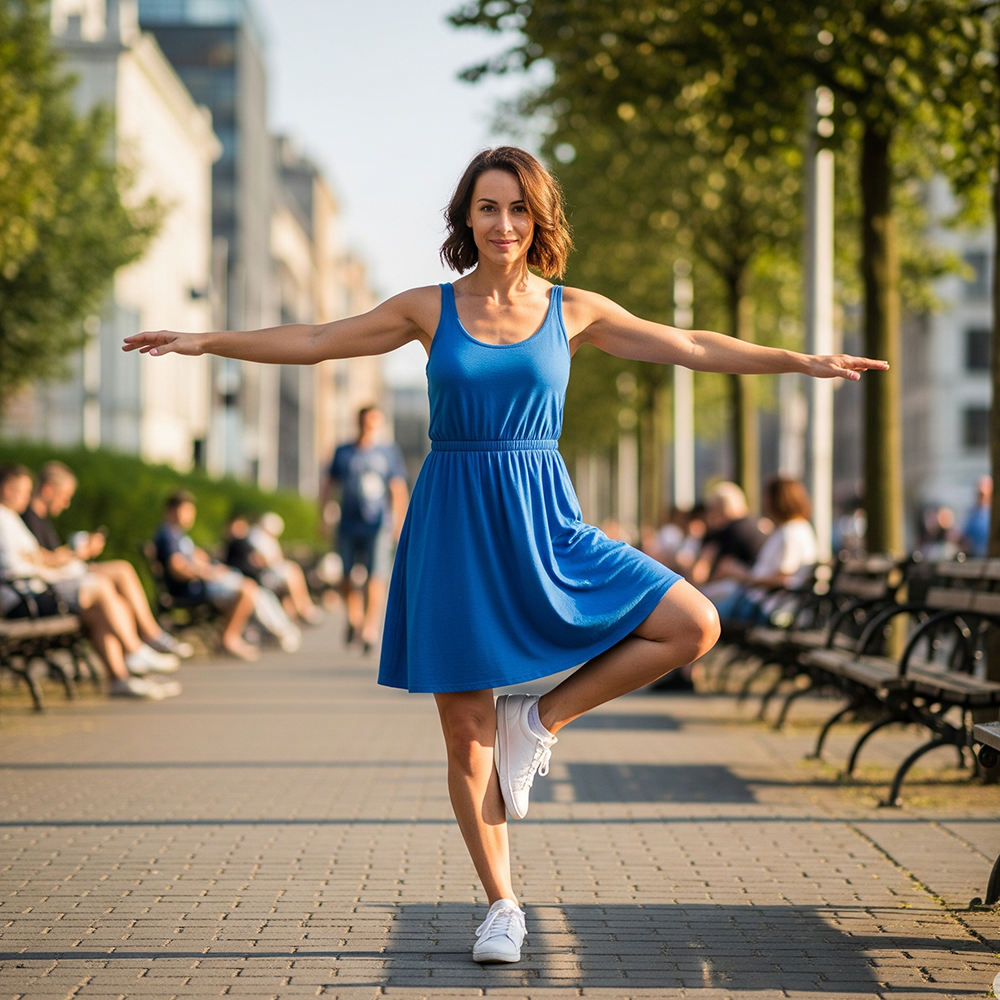
Five Simple Tips for Improving Your Balance
Avoid Falls and Stay on Your Feet–With a Little Help from Our Multidisciplinary Team
Are you worried about falling and injuring yourself? Does limited mobility due to arthritis or another condition make you feel shaky? Balance challenges can certainly be difficult, but you do have options for improving your overall balance and stability!
One of the things we do at Equilibrium is help people work on the spatial awareness and muscular strength crucial in addressing balance challenges. This is especially true for people with a high risk of falling, where improved balance could save you a trip to the hospital.
Want to learn more about the importance of good balance? Call to schedule an appointment today.
Why Should I Work on My Balance At All?
The older you get, the more important good balance becomes. Falls are one of the biggest threats to adults 65 years or older, causing millions of hospitalizations and emergency room visits every year.
While several factors contribute to this high fall risk–including age-related sensory and physical changes–you can do things to lessen your risk, and it’s never too early to get started! If you start working to improve your balance now, you’ll be in a better place as you age.
That said, there are other benefits to improving balance for younger people. A good sense of balance has a radiating effect on your overall fitness, helping to improve your posture and overall movement. You’ll be better able to catch yourself if you stumble or trip, and you might notice improvements in other physical activities, like running or playing sports.
How Can I Improve My Balance? Five Suggestions from Our Integrated Team
- Go for a Walk: Sometimes, the best solutions are the simplest. Walking helps build core and lower-body strength, two crucial components of good balance, and it’s safe and effective for most people. That said, if you’re struggling with balance, it’s important to speak to one of our physiotherapists or kinesiologists first–you might benefit from initial balance training or using a mobility aid during your walks.
- Restore Your Mobility: Stiff or arthritic joints can negatively impact your balance. We’ll work with you to help restore or improve your mobility and guide you on a safe routine you can perform at home that targets your individual needs.
- Target Your Core: If you’re really struggling with balance and instability, it may be time to focus on dedicated core exercises. Your core refers to the muscles that wrap around your spine–your back, hip, glute, and ab muscles. They keep your spine stabilized, which in turn helps you keep your balance. Not sure where to start with core strengthening? We can show you which exercises will work best for you.
- Challenge Your Balance: As with any other aspect of fitness, spending time on dedicated balance training can help you see results. Your goal is to find exercises that challenge your sense of balance without putting you at risk of falling–again, this is something our clinicians can help with.
- Assess Your Balance: If you want to get serious about improving your balance, schedule a balance assessment at Equilibrium. We’ll run several balance screens to help us pinpoint the exact reason for your balance challenges. It may even be something you didn’t expect, such as inner ear issues. With a balance assessment, we can help you target your treatment to suit your exact needs.
Afraid You’ll Lose Your Footing? We’ve Got Your Back
The integrated approach at Equilibrium allows us to provide comprehensive care to improve your strength, mobility, and function. When you visit us for a balance assessment, we can design a customized treatment program that addresses your needs and abilities. For example…
- Dealing with persistent pain that makes walking difficult? We offer several unique approaches to pain management, including chiropractic care, massage therapy, and acupuncture.
- Find most core exercises impossible? You’re not alone. Although activities like core planks have significant benefits, many beginners need to build up to them. We’ll show you core exercises that you can actually perform.
- Not sure how to challenge your balance? We’ll guide you through a personalized balance training program, measuring your progress and increasing intensity as you go.
Don’t miss out on the benefits of good balance. Call us to request your balance assessment today!
Introducing Shiatsu Therapy at Equilibrium Therapeutics — Welcome Richard Casseron, R.S.T.!
Dear clients,
We’re thrilled to announce the arrival of Shiatsu Therapy, led by certified Registered Shiatsu Therapist Richard Casseron, R.S.T., joining us at our Yates St location this August!
Shiatsu (literally “finger pressure”) blends traditional Japanese healing and modern anatomy through hands-on sessions. By applying sustained pressure and gentle stretches, Richard balances your nervous system, alleviates stress, supports circulation and digestion, and eases chronic pain. Ideal for anyone seeking both relaxation and proactive health care, it’s perfect for all ages. Shiatsu Practor+1Shiatsu Therapy Association+1Shiatsu Practor
Why It Matters:
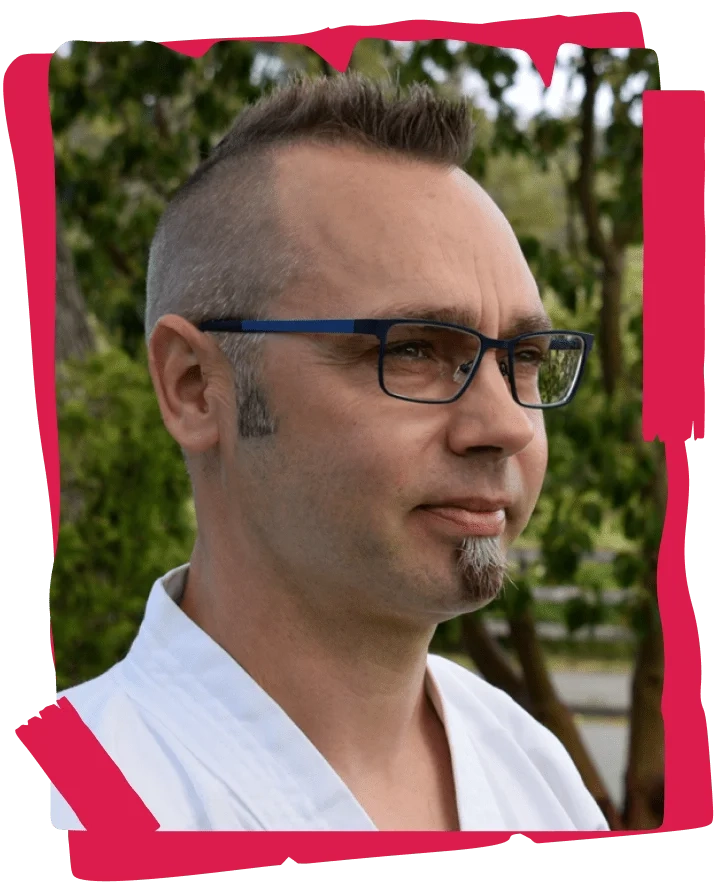
Meet Richard:
Richard trained with Metta‑Ki in the Dairokkkan Shiatsu lineage, specializing in a holistic, mind–body approach. His sessions are highly attentive and personalized to your needs. UBC Human Resources+6Mettaki+6Shiatsu Therapy Association+6
Coverage You’ll Love:
Richard is fully registered with the Shiatsu Therapy Association of BC (S.T.A.B.C.), enabling you to access direct billing or reimbursement through many major BC insurers like Sun Life, GreenShield, Manulife, and Equitable Life. Just verify your plan’s Shiatsu coverage before your first session and whether or not your plan allows for direct billing. Shiatsu Practor+2Shiatsu Therapy Association+2Shiatsu Therapy Association+2
Launch into wellness by reserving your Shiatsu session in August. Appointments will fill fast—call or book online today!
Wellness Practitioner Spotlights:
Alex Blumenschein, Wellness Practitioner
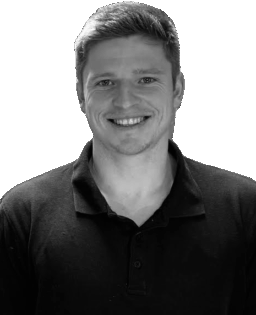
Alex is a 2025 graduate of the Canadian College of Massage and Hydrotherapy in Halifax, and a passionate advocate for movement-based therapy. He brings a grounded approach to massage therapy, with a focus on restoring functional range of motion and helping clients return to the activities they love.
With a background in yoga and certification as a yoga teacher, Alex brings a deep understanding of the body’s natural movement patterns into each treatment. He is especially enthusiastic about stretching, mobility, and addressing the root causes of discomfort through techniques such as Deep Tissue Massage, Myofascial Release and targeted stretching.
Alex is committed to creating a non-judgmental, supportive space for people of all backgrounds and abilities. He works with a wide range of clients and conditions, always aiming to meet people where they are and help them move toward greater ease, balance, and well-being.
Outside the clinic, Alex feels most at home in nature on Vancouver Island where he’s inspired by the land, the ocean, and the community.
Max Arora, Wellness Practitioner
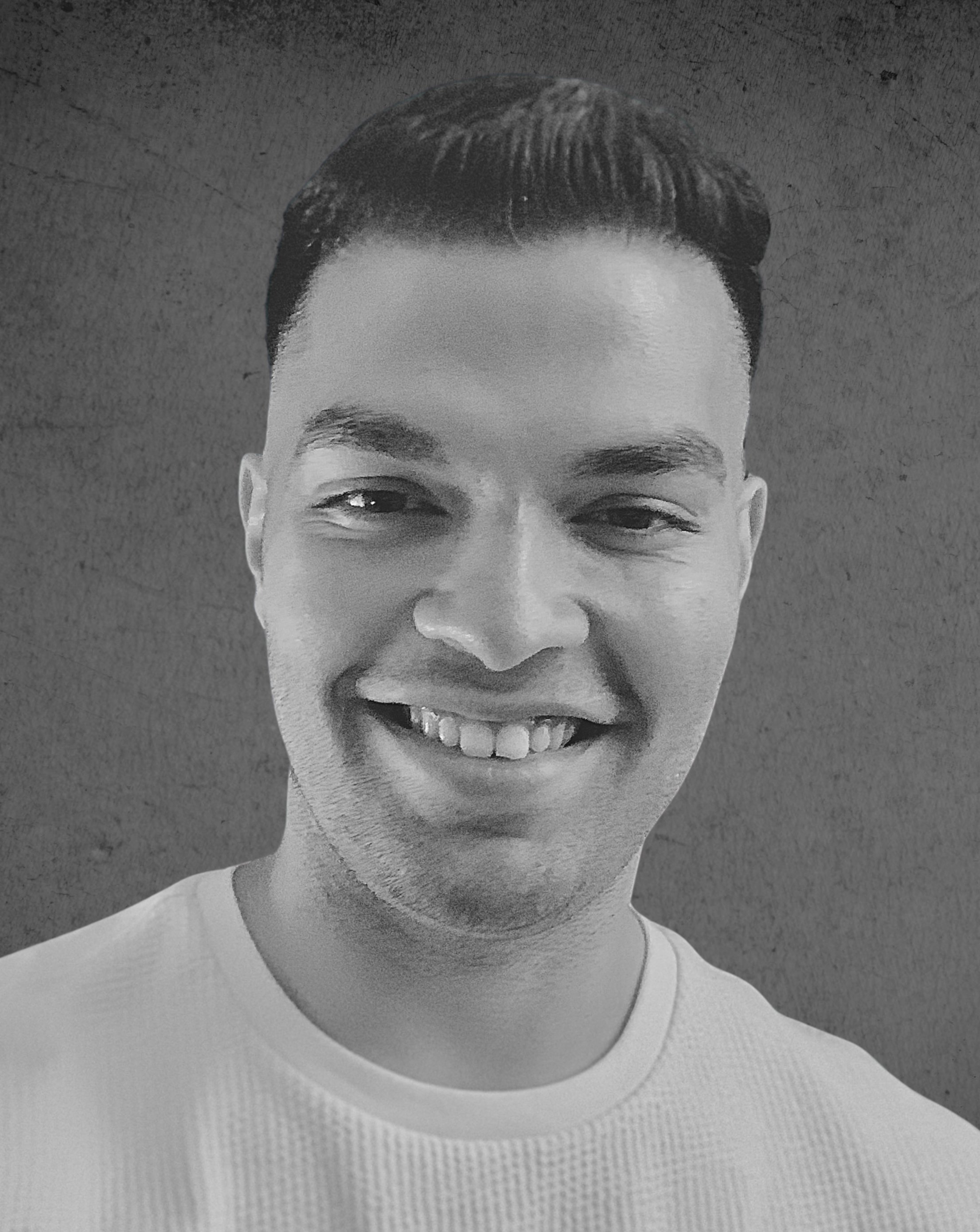
Max is a recent graduate of the Registered Massage Therapy program at the West Coast College of Massage Therapy in Victoria. As he awaits licensure, he is grateful for the opportunity to offer meaningful hands-on care through wellness massage. His practice is rooted in presence, compassion, and a quiet belief in the body’s natural capacity to heal when given the right conditions.
Before studying massage therapy, Max spent over five years working as a certified personal trainer, coaching clients in strength, movement, and rehabilitation. This experience gave him valuable insight into how the body moves and adapts—how posture, tension, and everyday habits can influence pain, performance, and overall well-being. As a Raynor Massage Practitioner, he also developed a deep appreciation for the emotional and energetic layers of healing—insights that continue to shape his work today.
Max’s treatment style is integrative and adaptive. He draws from techniques such as myofascial release, deep tissue massage, Swedish massage, active manual release, and breath-guided techniques to help clients feel more at home in their bodies. Whether you’re recovering from injury, managing chronic stress, or simply seeking a deeper sense of ease, Max will meet you where you are. Every session is personalized, collaborative, and rooted in respect for your goals and lived experience.
Outside the treatment room, you’ll find Max hiking trails, paddling the coast, exploring movement, or diving into research on fascia, neuroscience, and philosophy. He believes that healing is not something we force—but something we allow, through awareness, intention, and kindness.

Our Patients Get Great Results
“I left feeling completely relaxed and refreshed.“
“Highly recommend! The physiotherapy sessions have really helped me recover and feel stronger. The staff is knowledgeable, friendly, and truly cares about your progress. Great experience overall!”
Y. Singh
Eat healthy, feel better!

Cherry-Berry Oatmeal Smoothies
- 1/2 cup quick-cooking rolled oats
- ½ cup light almond milk
- ¾ cup fresh strawberries
- ½ cup fresh dark sweet cherries
- 1-2 tbsp almond butter
- 1 tbsp honey
- ½ cup small ice cubes
In a medium bowl, combine water and oats. Microwave 1 minute. Stir in ¼ cup of the milk. Microwave 30 to 50 seconds more or until oats are very tender. Cool 5 minutes. In a blender combine oat mixture, the remaining ¼ cup milk, and the next four ingredients (through honey). Cover and blend until smooth, scraping container as needed. Add ice cubes; cover and blend until smooth. If desired, top each serving with additional fruit.
Exercise of the Month
Bird Dog
(Core, Lower Back, Glutes)
Start on your hands and knees on a mat or table. Brace your abdominals and keep your back flat. Slowly raise one arm straight out in front of you while simultaneously raising your opposite leg back behind you until both limbs are straight and parallel with the ground. Lower them back down and repeat with your other limbs. 3 Sets, 10 Reps.
Let’s Get You Better ASAP!
Don’t let pain dictate your life. Take the first step towards reclaiming your mobility and well-being with our expert support. Start your journey to a healthier you today.