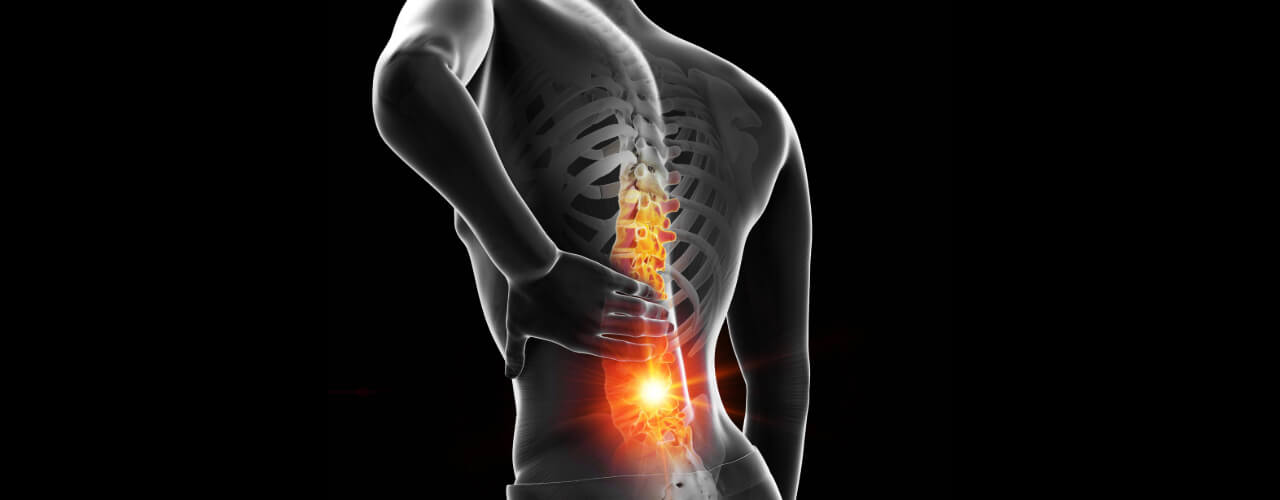
No one wants to deal with back pain. It can have a significant impact on your daily life–and that’s especially true when it stems from a herniated disc, which can cause limited mobility and sharp, shooting leg pain in addition to back discomfort. Managing back pain from a herniated disc can be tricky, but the team at Equilibrium Therapeutics is here to help.
A herniated disc occurs when the soft, gel-like center of a spinal disc pushes through its outer layer. This can irritate nearby nerves, leading to pain and other symptoms. Although they can occur in any part of the spine, they’re most common in the lower back, with symptoms sometimes radiating out to the legs.
Today, we want to explore the signs and symptoms of a herniated disc and how physiotherapy can help you manage your discomfort. Keep reading to learn more!
Do I Have a Herniated Disc?
Herniated discs don’t always cause symptoms. When they do, it’s because the affected disc is irritating a nearby nerve, leading to not only back pain but also nerve-related discomfort, including the following:
Sharp or Radiating Pain
- This may travel down your leg(s) and into your foot, a condition known as sciatica.
Numbness or Tingling
- You’ll generally feel this in your lower leg, foot, or toes.
Muscular Weakness
- You may notice weakness in your legs or feel unsteady while walking.
Worsened Pain with Certain Movements
- Sitting, bending, rising from sitting, or coughing and sneezing may intensify your discomfort.
How Physiotherapy Helps with Back Pain from a Herniated Disc
The good news is that physiotherapy offers a noninvasive and effective approach to managing herniated disc symptoms. A tailored treatment plan from the Equilibrium Therapeutics team can reduce pain, improve mobility, and help you regain your quality of life.
While all of our programs are different, several key approaches can help you manage back pain from a herniated disc. Here are just a few of the techniques we generally recommend:
Manual Therapy
- These hands-on techniques help reduce muscle tension, boost spinal mobility, and promote blood circulation to the affected area, helping to facilitate the healing process.
Pain-Relieving Modalities
- In some cases, we may utilize pain-relieving modalities, such as hot or cold therapy, to further help with pain management.
Therapeutic Exercises
- Targeted exercises form the foundation of our herniated disc treatment programs, as exercise helps address the underlying issues contributing to your herniated disc. For example, we’ll generally focus on targeted stretches to improve spinal mobility and core exercises to help strengthen the muscles that support and stabilize the spine. We might also suggest low-impact activities like cycling to ensure you stay active beyond our in-clinic sessions.
Additional Tips and Strategies
- We’ll provide you with additional methods to help keep your spine healthy, such as postural corrections, tips for proper lifting techniques, or strategies to maintain proper spinal alignment throughout your day.
Don’t Let a Herniated Disc Hold You Back
Living with back pain can be challenging, but the team at Equilibrium Therapeutics can help you find solutions that work. If you’re experiencing back pain from a herniated disc, schedule an appointment at our Victoria, BC clinic today!