


Is Your Sacroiliac Joint Causing Your Lower Back Pain?
Is Your Sacroiliac Joint Causing Your Lower Back Pain?
One of the reasons back pain is such a common medical complaint (most people will experience it at least once in their lives) is because it has so many different potential causes. Most people are familiar with the common ones, like a strained back muscle or a herniated disc.
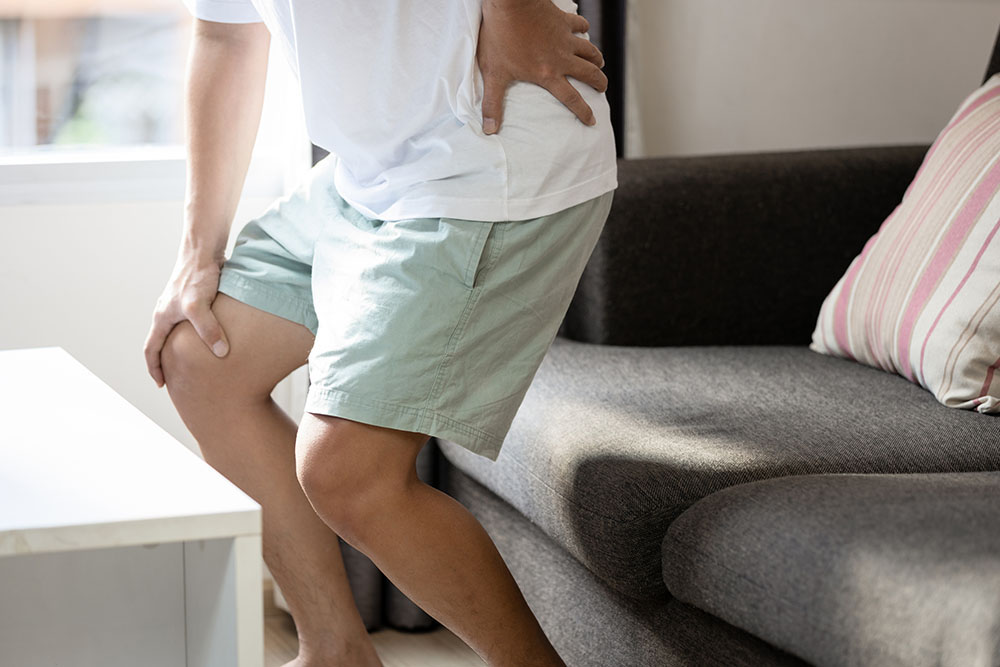
But sometimes, back pain isn’t really back pain–at least not how we generally conceive it. While you might experience pain or discomfort in your lower back, the actual source of the pain might be a little lower, in your sacroiliac joint.
At Equilibrium, our multidisciplinary team understands that the best way to resolve back pain is to determine where that pain is coming from. Thanks to our comprehensive assessments, we can help you determine if your lower back pain is actually a symptom of problems with your sacroiliac joint –and then provide you with a targeted, integrated treatment plan to help resolve it.
The Sacroiliac Joint: What It Is and What Can Go Wrong
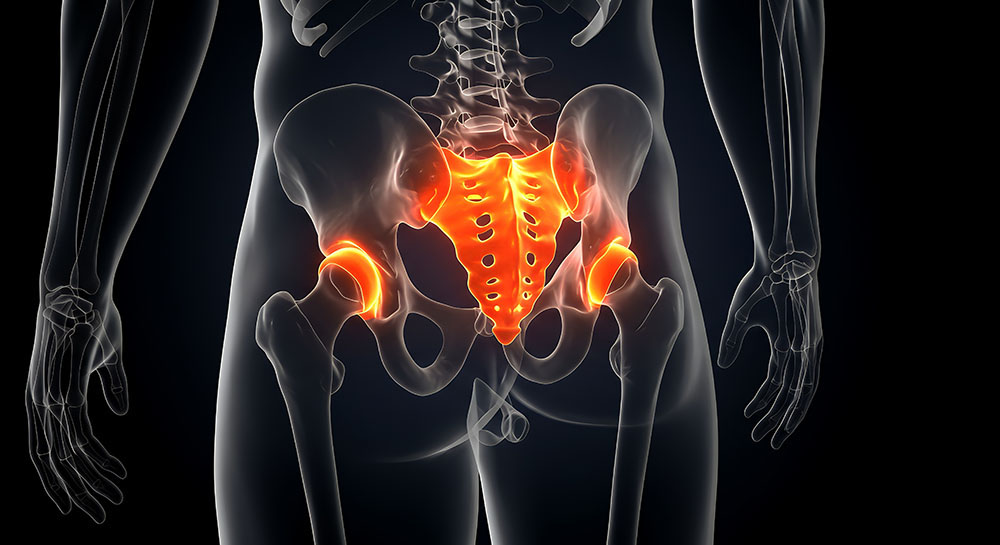
The sacroiliac (SI) joint connects your spine to your pelvis. You have two of them, one on each side. They’re connected to the sacrum, a small triangular bone at the base of your spine.
The SI joints allow you to transfer weight between your upper and lower body. However, the joints themselves don’t move all that much, and they’re located fairly deep in your pelvic structure, surrounded by strong ligaments and muscles.
There are two reasons why your sacroiliac joint might cause your pain:
- Sacroiliac joint dysfunction occurs due to biomechanical issues in your SI joint. It’s particularly common during pregnancy, as the sacroiliac joint is “loosened up” in preparation for childbirth (hypermobility). However, an overly restricted sacroiliac joint can also cause issues (hypomobility).
- Sacroiliitis refers to an SI joint inflammation due to osteoarthritis, hormonal changes during pregnancy, or injury.
Both conditions can cause similar symptoms. The biggest difference between the two is the presence of inflammation, as there are no inflammatory processes with SI joint dysfunction.
Issues with Your SI Joint? How to Tell
It can be difficult to determine if you’re struggling with SI joint issues or lower back pain, as they can cause similar symptoms. If you’re struggling with any pain or discomfort in your back or buttocks, your best bet is to schedule an appointment with our team. We can help you get to the bottom of things.
That said, here are some of the common signs of SI joint issues:
- You experience pain directly over your buttocks.
- The pain seems to stem from deep inside your body.
- You’ll notice pain when sitting, lying down, or climbing stairs. In fact, you may have trouble sitting for long periods due to the pain.
Treating SI Joint Pain: What To Expect
We’ll begin with a comprehensive physical exam to help us determine the exact source of your pain, including confirming if the SI joint is involved at all. Once we understand your unique situation, our experts will develop your customized treatment program. Here’s what you might expect:
- Pain Management: We’ll find a solution that suits your needs. Chiropractic adjustments and massage therapy techniques can help if your pain stems from immobility. Acupuncture and physiotherapy modalities can help manage pain and inflammation.
- Mobility Exercises: If applicable, we can guide you through targeted exercises to improve the range of motion in your spine and SI joint.
- Strengthening Exercises: One of the best ways to address SI pain is to strengthen your core and gluteus muscles, both of which support and stabilize the SI joint. Our physiotherapists and chiropractors can guide you through an exercise program appropriate to your needs and ensure you perform all exercises correctly.
- Prevention Tips: Finally, our kinesiologists can work with you to help you adopt a physically active lifestyle, which can help reduce and prevent SI dysfunction.
What’s Causing Your Back Pain?
You don’t have to put up with persistent pain, whether it’s in your back, buttocks, or radiating down your leg! The multidisciplinary team at Equilibrium will dig down deep to determine the underlying source of your pain, no matter what it is.
Ready to get started? Call us to schedule an appointment today!
Shockwave Therapy — Quick Add-On, Real Results
For stubborn tendon-type pain (tennis elbow, rotator cuff, hip/gluteal tendinopathy, Achilles, plantar fascia), Shockwave can help restart healing. It’s non-invasive, fast, and paired with the right exercises for lasting change.
Available at:
- Yates: All EQ Physiotherapists offer Shockwave
- Tillicum: All EQ Physiotherapists and our Chiropractors offer Shockwave
Book at Yates → Book at Tillicum →
What is Shockwave?
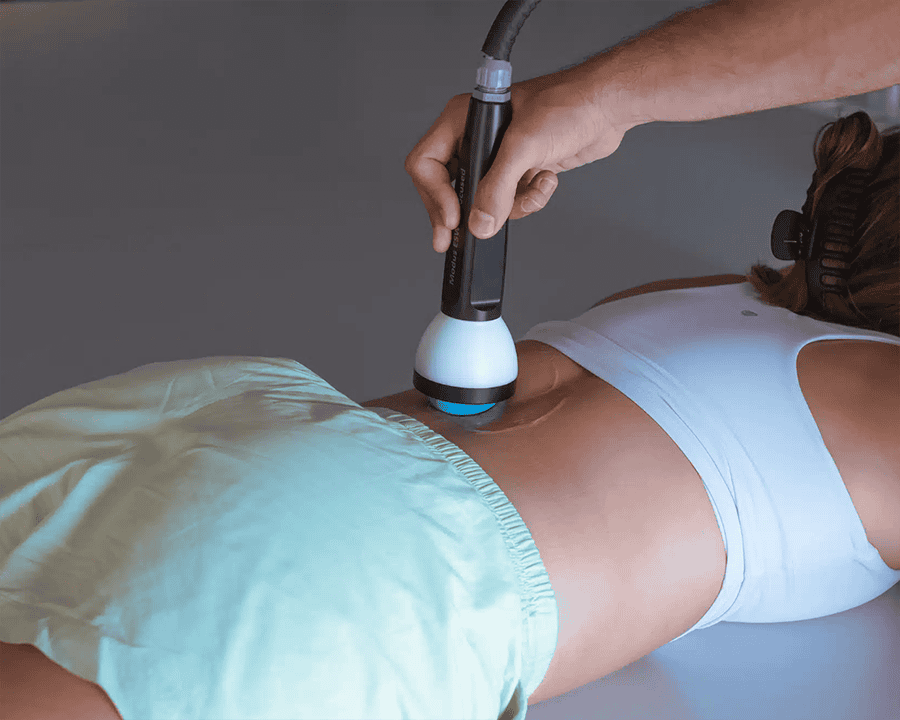
Focused acoustic pulses applied to the sore area to increase circulation, reduce pain, and nudge tissues to repair. Sessions are quick—10–15 minutes added to your regular visit.
Good candidates often include: elbow/forearm tendinopathy, shoulder/rotator cuff, lateral hip/gluteal tendinopathy, Achilles/heel pain, plantar fasciitis.
What to Expect
- A focused “tapping” sensation for a few minutes
- Possible mild soreness for 24–48 hours
- Typical plan: 3–6 sessions + targeted home exercises
- Clear, simple homework so gains stick
Ask if it’s right for you →
How We Offer It at EQ
- Add-on during your physio or chiro appointment (Yates & Tillicum physio; Tillicum chiro)
- Fee: +$20 as an add-on
- Coverage: Many extended benefits reimburse add-ons. ICBC/WSBC clients pay at checkout (coverage varies by plan—our team can check with you at reception).
Our clinicians are continually training and updating protocols so you get the most effective, evidence-based use of Shockwave—no fluff, just what works.
Tiny FAQ
- Does it replace exercises? No—Shockwave works best with a progressive exercise plan.
- How fast will I feel it? Many notice change by session 2–3.
- Is it safe for everyone? We screen first and will advise if it’s not appropriate for you.
Ready to try it?
- Book a physiotherapy (Yates/Tillicum) or chiropractic (Tillicum) appointment.
- Ask to add Shockwave—we’ll confirm it’s a fit and build your plan.
See Yates availability → See Tillicum availability →
Billing notes: We provide detailed receipts for insurance. ICBC/WSBC: Shockwave is patient-pay at checkout.

Our Patients Get Great Results
“I left feeling completely relaxed and refreshed.“
“Highly recommend! The physiotherapy sessions have really helped me recover and feel stronger. The staff is knowledgeable, friendly, and truly cares about your progress. Great experience overall!”
Y. S.
Use Your Benefits Before They Expire!
Most insurance plans reset on January 1st. Any unused benefits from this year will not carry over, so if you do not use them now, you lose them.
This is the best time of year to take care of your health. Whether it is physiotherapy, massage therapy, chiropractic care, acupuncture, or kinesiology, your extended health benefits can help you move with less pain, regain strength, and address lingering challenges before the year ends.
Start now and build momentum! When January comes and deductibles reset, you will already be feeling stronger, healthier, and more confident.
Do not let your coverage go to waste. Book your appointments today!

Jack-O’-Lantern Stuffed Peppers 🎃
An easy, warm dish with a Halloween look — great for cold fall nights.
Ingredients:
- 4 orange bell peppers
- 1 lb ground beef
- 1 cup cooked rice
- 1 can diced tomatoes (14 oz)
- 1 small onion, chopped
- 2 cloves garlic, minced
- 1 cup shredded cheese
- Salt, pepper, and favorite spices (chili powder, paprika, or thyme)
Instructions:
- Cut tops off peppers and scoop out seeds. Carve little jack-o’-lantern faces with a paring knife.
- Cook meat with onion and garlic until browned. Stir in tomatoes, rice, spices, and half the cheese.
- Stuff the mixture into peppers, place in a baking dish, and top with remaining cheese.
- Bake at 375°F for 25–30 minutes, until peppers are tender and cheese is melted.
Exercise of the Month
Bird Dog
(Core, Lower Back, Glutes)
Start on your hands and knees on a mat or table. Brace your abdominals and keep your back flat. Slowly raise one arm straight out in front of you while simultaneously raising your opposite leg back behind you until both limbs are straight and parallel with the ground. Lower them back down and repeat with your other limbs. 3 Sets, 10 Reps.
Let’s Get You Better ASAP!
Don’t let pain dictate your life. Take the first step towards reclaiming your mobility and well-being with our expert support. Start your journey to a healthier you today.