If you live an active life in Greater Victoria, chances are you have heard about dry needling and acupuncture for muscle pain, tightness, or sports injuries. You may even have been told that intramuscular stimulation (IMS) or “dry needle treatment” could help your recovery, but it is completely understandable to wonder what exactly these techniques are and how they differ.
Understanding Dry Needling: What Does Dry Needling Do?
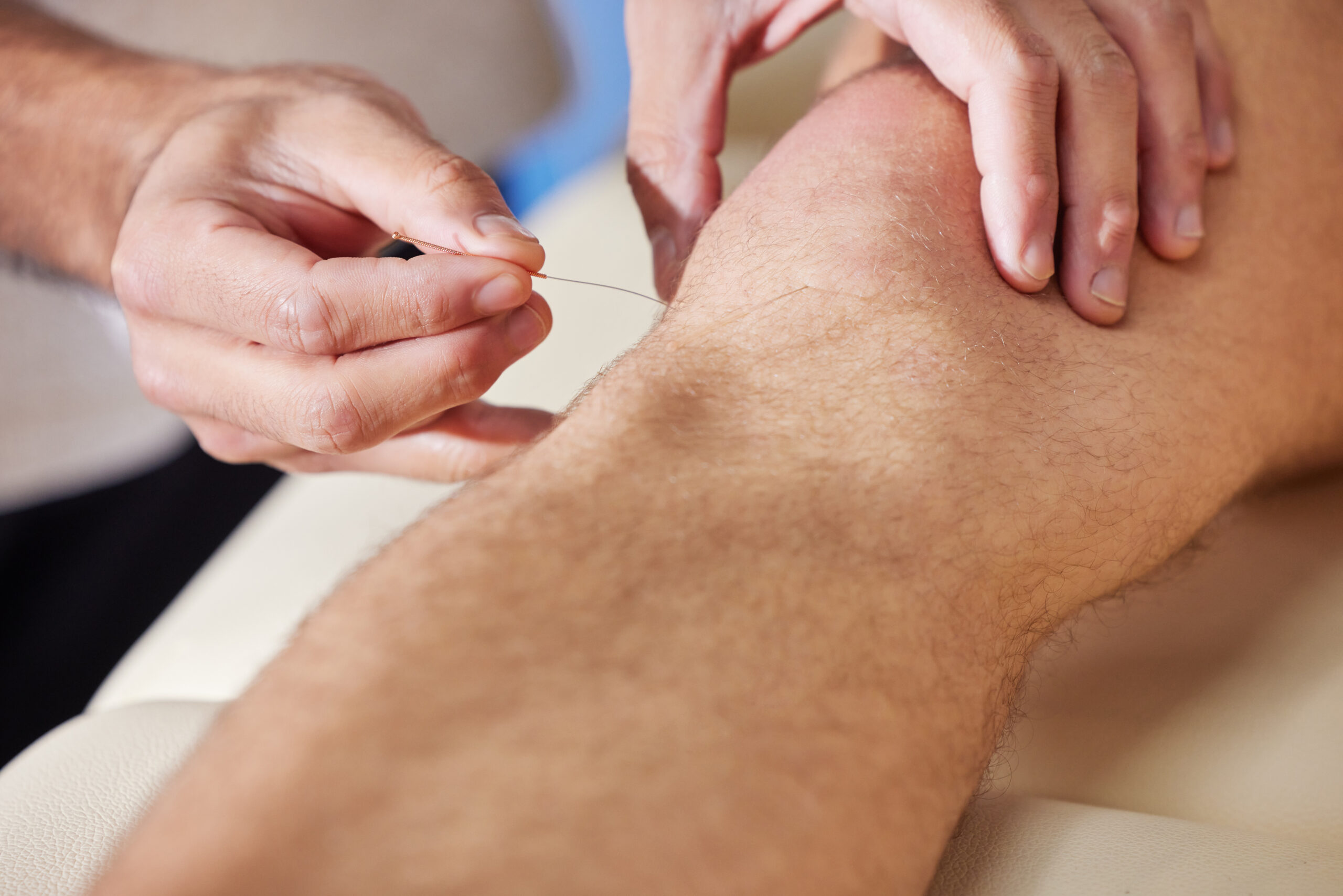
Dry needling is a technique where very thin, sterile needles are inserted into specific points in your muscles, often called trigger points. These trigger points are tight, sensitive spots that may contribute to pain, stiffness, or reduced mobility.
At our clinic, we often use dry needling as part of a broader IMS and dry needling plan for people dealing with muscle tension, sports injuries, or ongoing pain. The needles are “dry” because no medication is injected. Instead, the goal is to stimulate the muscle fibres, fascia layers, and sometimes the neuromuscular junction where nerves and muscles meet.
Research suggests that dry needling targeting myofascial trigger points may reduce pain and improve function in certain knee conditions such as knee osteoarthritis and patellofemoral pain syndrome.1 In these studies, people experienced meaningful short‑term pain relief and better knee function after dry needling as part of their rehabilitation therapy.1
Dry Needling Benefits: How It May Help Your Recovery
For active adults in Victoria, Saanich, Oak Bay, View Royal, Langford, and Colwood, dry needling may be one more tool to support muscle recovery and help you stay active. Based on current evidence and our clinical experience, potential dry needling benefits may include:
- Reduced pain around irritated or overloaded joints and muscles, including some knee conditions when trigger points are involved.1
- Improved function and mobility as pain settles, which may make everyday activities, walking, or hiking more comfortable in the short term.1
- Support for tissue healing and inflammation reduction by stimulating local blood flow and nervous system responses, which are thought to contribute to pain modulation.
- Help releasing tight myofascial tissue that may be limiting movement or contributing to compensations elsewhere in the body.
In people with neck pain from myofascial trigger points, dry needling appears to be about as effective as other physical modalities such as heat, electrotherapy, or ultrasound for pain and function, with no clear difference between the approaches in current studies.2 That means dry needling is often considered one option among several when building a personalized physiotherapy treatment in Victoria.2
What Happens During a Dry Needling Session?
At Equilibrium Therapeutics, dry needling is usually integrated into a broader plan that may also include physiotherapy, registered massage therapy, chiropractic care, or kinesiology, depending on your goals.
During a typical dry needling or IMS session:
- We start by talking through your symptoms, activity level, and goals, whether that is running, cycling, walking on Dallas Road, or keeping up with kids and work.
- Your practitioner assesses muscle tension, trigger points, joint movement, and posture.
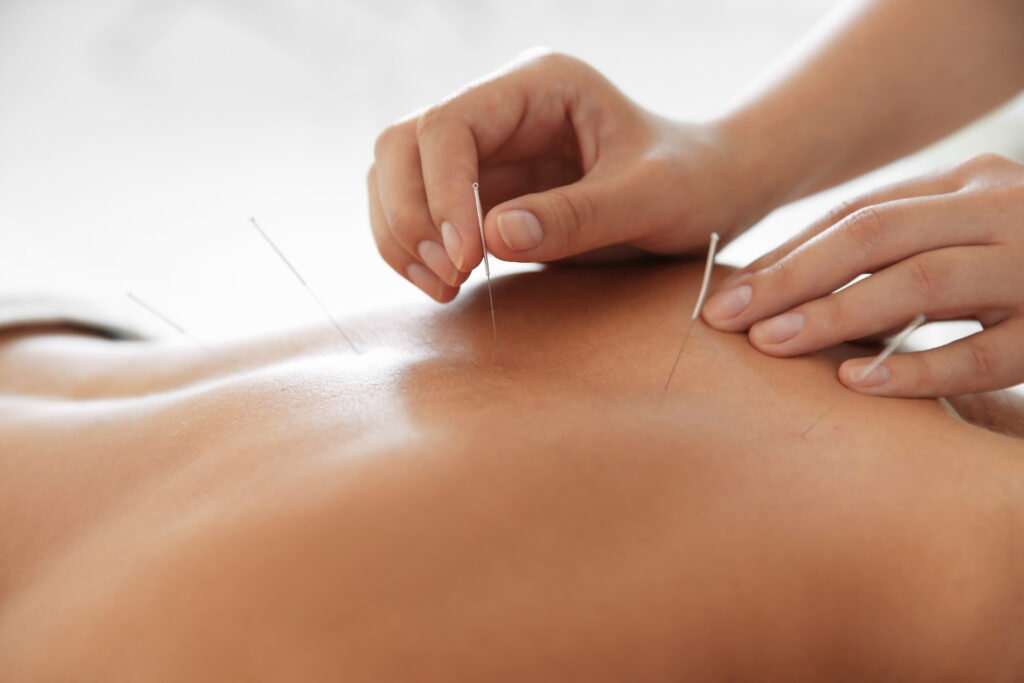
- Very thin needles are gently inserted into specific trigger points or along irritated bands of muscle fibres and fascia layers.
- You may feel a dull ache, a twitch in the muscle, or brief discomfort that usually settles quickly.
- After needling, we often follow up with movement, gentle stretching, or therapeutic exercise to encourage better muscle function and long‑term change.
What Is Acupuncture?
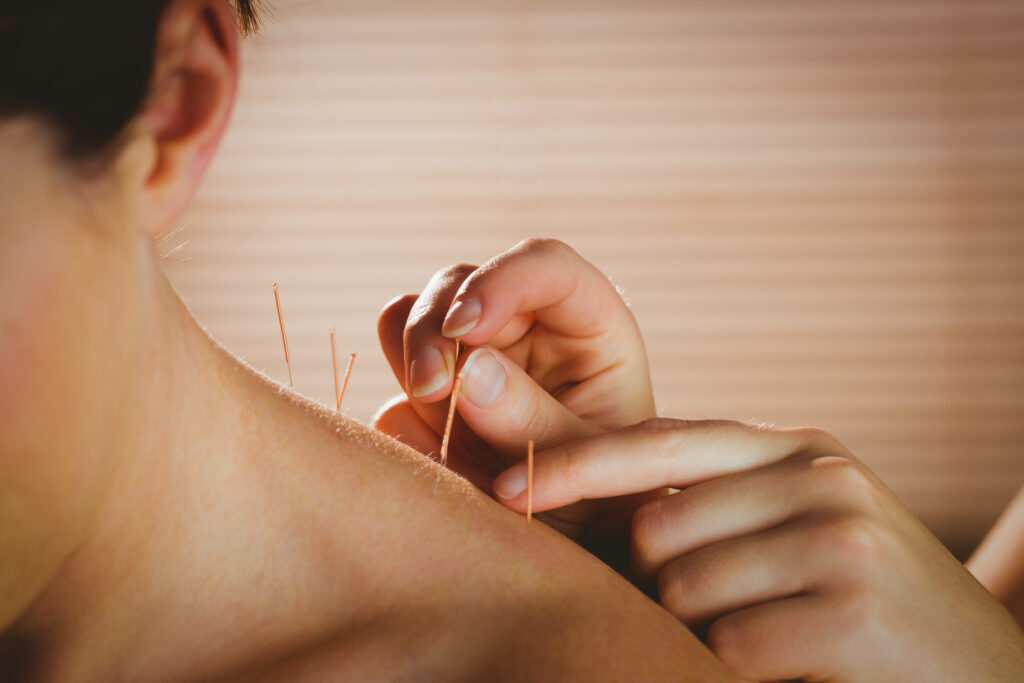
Acupuncture also uses fine needles, but the approach and philosophy are different. At our clinic, acupuncture is typically provided within a traditional or integrative framework and may be used for pain, stress, headaches, or overall wellbeing.
Instead of focusing mainly on trigger points in individual muscles, acupuncture points follow established meridians across the body. The goals may include balancing the body’s systems, calming the nervous system, easing pain, and supporting general wellness.
We offer several forms of acupuncture, including general treatments and options such as therapeutic acupuncture, and for some patients, facial rejuvenation and cosmetic acupuncture for cosmetic and relaxation goals.
Dry Needling vs Acupuncture: Key Differences
Because both approaches use thin needles, it is easy to confuse them. When patients ask, “What is the difference between dry needling and acupuncture?” we usually highlight a few main points:
- Treatment focus: Dry needling is often aimed at myofascial trigger points, neuromuscular junctions, and local areas of muscle tension. Acupuncture typically follows meridian pathways and may target both local and distant points to support broader system balance.
- Background: Dry needling and intramuscular stimulation grew out of modern anatomy and pain science, emphasizing muscles, fascia, and peripheral nerves. Acupuncture grew from traditional medical systems, with its own maps and concepts.
- Goals: Dry needling is commonly used to address specific pain areas, sports injuries, or movement restrictions. Acupuncture is often used both for pain and for overall wellbeing, stress, sleep, and other concerns.
- How it fits into care: At our clinic in Victoria, dry needling is usually part of a rehabilitation therapy plan with physiotherapy, whereas acupuncture may be part of a more general health and pain management approach.
In neck pain related to myofascial trigger points, dry needling appears to relieve pain to a similar degree as other physical modalities such as heat and electrotherapy, which highlights that it is one option within a larger toolkit rather than a stand‑alone solution for everyone.2
How We Use Dry Needle Treatment in Victoria, BC
At Equilibrium Therapeutics, we see many people from Victoria, Saanich, Oak Bay, Langford, Colwood, and surrounding areas who are managing:
- Sports injuries and overuse pain
- Back pain and sciatica‑type symptoms
- Neck pain and stiffness
- Shoulder pain and upper back tightness
- Hip and knee pain, including some knee osteoarthritis and kneecap‑related pain where trigger points are involved
- Chronic pain linked to muscle and fascia tension
Dry needling and IMS in Victoria are usually combined with other hands‑on techniques and movement‑based care, such as manual therapy, myofascial release, therapeutic exercise, and sometimes shockwave therapy or myofascial release. For people living with conditions like fibromyalgia, approaches that address dysfunctional fascia may help reduce pain when carefully individualized, and myofascial release appears to have a promising effect on pain in this group.3
Dry Needling Side Effects and Safety
Most people tolerate dry needling well, but it is still important to understand possible side effects. In neck pain studies looking at myofascial trigger points, no treatment‑related adverse events were reported when dry needling was provided by trained professionals.2 In real‑world settings, common short‑term effects may include:
- Mild soreness in the treated area for up to 24–48 hours
- Temporary tiredness or a “heavy” feeling
- Occasional small bruising at the needle site
We always review your medical history, medications, and comfort level before recommending dry needling vs acupuncture or any other approach. For some people, other options such as gentle trigger point therapy, deep tissue massage, or movement‑based care may be more suitable.
Choosing Between Dry Needling and Acupuncture
There is no single “best” option for everyone. Instead, we look at:
- Your main concerns: specific injury, chronic tightness, stress, or a mix
- What has helped or not helped in the past
- Your comfort level with needles and with different styles of care
- Your activity demands at work, in sport, or at home
For some people with clearly defined trigger points and sports injuries, dry needling may be a helpful part of their physiotherapy in Victoria, BC, especially when paired with exercise and gradual return to activity.1,2 Others may prefer acupuncture for a calmer, more whole‑body focus, especially when pain and stress are closely linked.
FAQ: Dry Needling and Acupuncture in Greater Victoria
Is dry needling the same as IMS?
IMS (intramuscular stimulation) is a style of dry needling that focuses on tight, shortened muscles and nerve‑related pain patterns. Both use fine needles without injecting medication, and at our clinic the terms are often used together because the techniques overlap.
Does dry needling hurt?
You may feel a brief pinch as the needle goes in and sometimes a quick twitch or cramp‑like sensation in the muscle. Many people describe it as uncomfortable but manageable, and the feeling usually eases quickly. Soreness afterward is common but typically short‑lived.
How many sessions will I need?
This varies from person to person. Some people notice changes within one to three sessions, while others benefit from a series of treatments combined with exercise and lifestyle changes. We regularly review your progress and adjust as needed.
Can I combine dry needling with other treatments?
Yes. Dry needling is often combined with manual therapy, massage, chiropractic care, or exercise‑based rehabilitation. At our multidisciplinary clinic, our team works together to coordinate your care so you receive the right blend of approaches for your goals.
Who should avoid dry needling?
Dry needling may not be suitable for everyone, including some people who are pregnant, have certain bleeding or immune conditions, or feel very uncomfortable with needles. We always review your health history and talk through options so you can make an informed choice.
If you are wondering whether dry needling, IMS, or acupuncture might fit into your recovery or performance plan, we would be happy to talk it through and design a treatment path that suits your goals and comfort level. You can Book an Appointment with our team at any of our Greater Victoria locations.
To learn more about our multidisciplinary approach and other services, visit our Equilibrium Therapeutics homepage.
References
- Hu X, et al. The effectiveness of dry needling at myofascial trigger points for knee disorders: A quantitative synthesis of randomized controlled trials. PLoS One. 2026. doi:10.1371/journal.pone.0346129
- Chen Y, et al. Comparison of dry needling with physical modalities for myofascial trigger point of patients with neck pain: A systematic review and meta-analysis. J Bodyw Mov Ther. 2025. doi:10.1016/j.jbmt.2025.08.015
- Ide FC, et al. What are the effects of connective tissue massage vs. myofascial release on fibromyalgia pain? Systematic review with meta-analysis. Complement Ther Med. 2026. doi:10.1016/j.ctim.2025.103305