After a long day at your desk, you might notice some stiffness or discomfort when you get up and start moving. Spending extended periods sitting can contribute to muscle tightness and reduced mobility, especially when movement breaks are limited.
Fortunately, a few simple changes to your daily routine can help. Here’s why prolonged sitting may cause stiffness, how to manage it and how kinesiology therapy in Victoria can support better movement and everyday comfort.
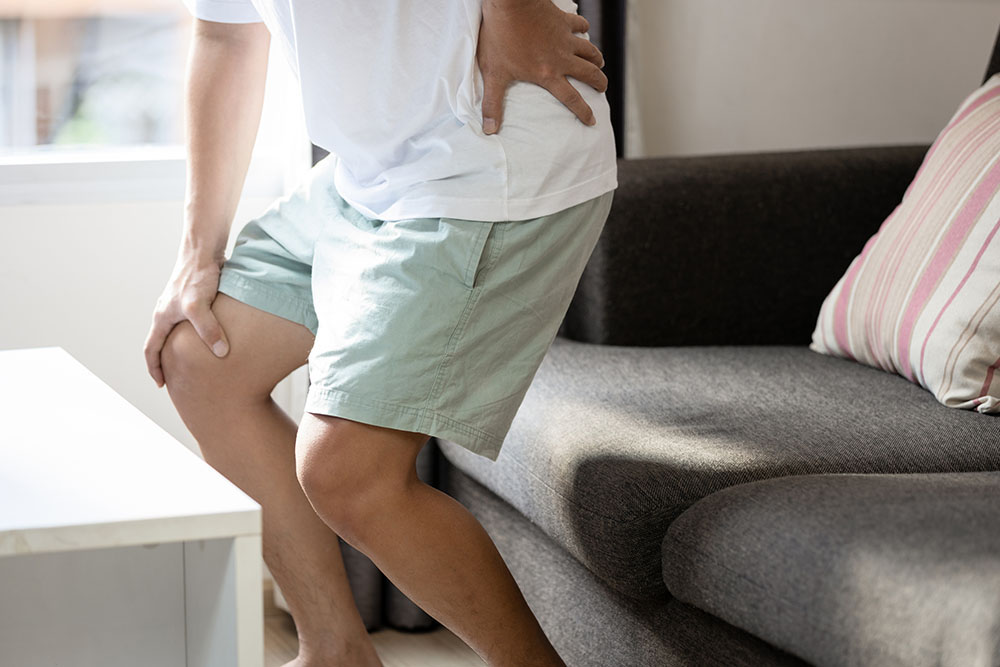
Why Do My Hips Feel Tight After Sitting?
When you sit for long periods, your hips stay bent, and the muscles at the front of your hips, called hip flexors, remain in a shortened position.
These muscles help you lift your legs, walk and move throughout the day. After spending several hours sitting, you may notice stiffness when you first stand up or start walking.
Your glutes, the muscles in your buttocks, are also less active while you’re sitting. Combined with limited movement, this can contribute to discomfort or make certain activities feel more difficult.
Other factors that may contribute to hip tightness include:
- Sitting for long periods: Staying in one position without regular movement breaks.
- Poor workstation setup: A desk or chair that doesn’t comfortably support your body.
- Previous injuries: Past hip, knee or lower back injuries that may affect how you move.
- Limited physical activity: Not getting enough movement throughout your day.
According to Canada’s 24-Hour Movement Guidelines, adults should aim to limit sedentary time to eight hours or less per day and break up long periods of sitting whenever possible.
Even small changes to your workday can help you move more regularly.
4 Simple Ways to Relieve Hip Tightness From Sitting
You don’t need to completely change your routine to start feeling more comfortable. A few simple habits may help reduce stiffness and support healthy movement.
1. Take Regular Movement Breaks
Try standing up, stretching or walking around for a few minutes throughout your workday. Even a quick walk to refill your water can help break up long periods of sitting.
2. Gently Stretch Your Hip Flexors
A kneeling hip flexor stretch may help ease tightness at the front of your hips. Move slowly, avoid forcing the stretch and stop if you feel pain.
3. Strengthen Your Glutes
Exercises like glute bridges can help strengthen the muscles that support your hips and pelvis. Building strength alongside flexibility may help you move more comfortably.
4. Check Your Workstation Setup
Your chair, desk height and sitting position can all influence how comfortable you feel throughout the day.
If your workspace doesn’t feel quite right, our ergonomic training services can help you find a setup that better supports your body.
If your hip tightness becomes painful, spreads to your groin, lower back or knee, or starts affecting your daily activities, consider having it assessed. Our physiotherapy team also offers support for hip and knee pain relief.
How Can Kinesiology Help With Tight Hips?
Sometimes, stretching and taking movement breaks aren’t enough to address ongoing hip tightness.
That’s where kinesiology may help. Kinesiologists are movement professionals who use exercise and movement-based strategies to support strength, mobility and everyday function.
At Equilibrium Therapeutics, your kinesiologist takes the time to understand your symptoms, daily routine and movement goals before recommending a personalized approach.
What to Expect During Your First Appointment
Your first appointment may include a functional movement assessment to better understand how your body moves.
Depending on your needs, your kinesiologist may assess:
- Hip mobility: How comfortably your hips move in different directions.
- Muscle strength: Whether weakness in your glutes, core or surrounding muscles may be contributing to discomfort.
- Balance and posture: How your body supports itself during everyday movements.
- Movement patterns: How you sit, stand, walk and perform certain exercises.
Based on your assessment, your kinesiologist can develop an exercise program tailored to your needs.
Your plan may include hip mobility exercises, glute and core strengthening, and practical ways to add more movement to your workday.
The goal isn’t to give you an overwhelming exercise routine. It’s to help you build strength, improve mobility and feel more comfortable doing the activities that matter to you.
When appropriate, our kinesiologists can also work alongside our physiotherapists and registered massage therapists to support your care.

Frequently Asked Questions About Hip Tightness
Why do my hips feel tight after sitting all day?
Sitting keeps your hips bent for long periods, which can leave the muscles at the front of your hips feeling stiff. Reduced movement and muscle tension may also contribute to discomfort when you stand or walk.
Is stretching enough to relieve tight hip flexors?
Stretching may provide temporary relief, but hip tightness isn’t always caused by limited flexibility. Strengthening your glutes and core, along with taking regular movement breaks, may also help.
What does a kinesiologist do for hip tightness?
A kinesiologist assesses your movement, mobility and strength to identify areas that may need support. They can then develop a personalized exercise program to help improve how comfortably you move. Learn more about our kinesiology services in Victoria.
When should I seek help for hip pain from sitting?
If your hip tightness isn’t improving, becomes painful or starts interfering with walking, exercising or everyday activities, consider booking an assessment with a healthcare professional.
Is kinesiology covered by extended health benefits in BC?
Some extended health insurance plans may cover kinesiology services, but coverage varies depending on your provider and policy. Check with your insurance provider before booking.
Move More Comfortably Throughout Your Workday
Don’t let tight hips slow you down—our kinesiologists at Equilibrium Therapeutics can help you move more comfortably, so book your appointment today at one of our three Greater Victoria clinics.
References
- Canadian Society for Exercise Physiology. Canadian 24-Hour Movement Guidelines for Adults Aged 18–64 Years.

Brenda Beattie, Registered Massage Therapist (BSc)
Brenda has over three decades of experience as a registered massage therapist and co-owns Equilibrium, a multidisciplinary clinic in Victoria, where she specialized in deep tissue and myofascial work with a special interest in TMJ-related pain and headaches.