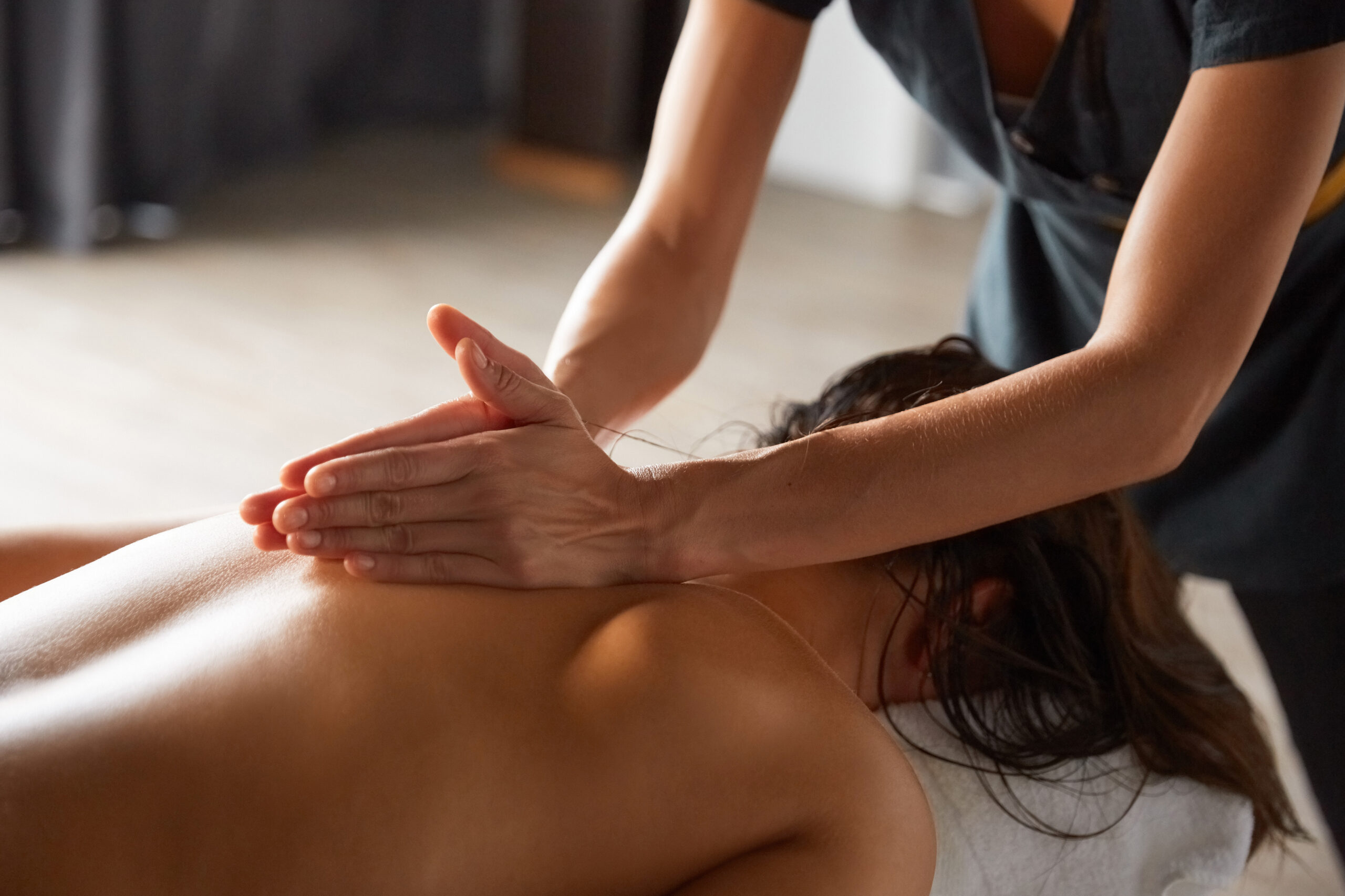
Staying active as an adult in Victoria often means balancing work, family, and the sports or outdoor activities you love. Over time, muscles can feel tighter, joints may feel stiffer, and little aches can start to add up. At Equilibrium Therapeutics, we see many people who want to keep moving well for the long term, not just bounce back after an injury. Regular massage therapy may be one way to support that long-term mobility in a steady, sustainable way.
Why Active Adults Turn to Massage Therapy
If you hike Mount Doug on weekends, cycle the Galloping Goose, run along Dallas Road, or spend long days at a desk before heading to the gym, your body is working hard. Massage therapy appears to help with:
- Muscle recovery after activity
- Joint mobility and flexibility
- Tension and stiffness from training or desk work
- Stress and overall nervous system regulation
- Ongoing pain or discomfort related to past injuries
Our registered massage therapists (RMTs) in Victoria BC often work with people who are not “injured” in the traditional sense, but who feel that their body is tighter, sorer, or less resilient than they would like. For these patients, regular therapeutic massage may act as a form of maintenance care that supports an active lifestyle over time.
How Massage Therapy May Support Long-term Mobility
Massage therapy is a hands-on treatment that focuses on muscles, fascia (the connective tissue that surrounds muscles and joints), and other soft tissues. At our orthopedic massage clinic in Victoria, we often combine several approaches, such as therapeutic massage, deep tissue massage, and myofascial release, depending on your needs.
Research on fascial-focused manual therapy suggests it may reduce musculoskeletal pain by roughly 20–50% and improve range of motion by about 15–35% in the short to medium term.1 Improved range of motion and lower pain levels are both closely linked with easier movement and better functional mobility in everyday life.1
Some forms of manual therapy and soft tissue therapy have also been associated with improved functional mobility and support for athletic performance and post-surgical recovery, though the specific techniques and outcomes vary and the evidence is still developing.1
Massage Therapy and Joint Range of Motion
Many active adults ask how massage can help stiff hips, tight shoulders, or a low back that always feels “one step away” from flaring up. In our clinic, we see that when muscles and fascia are less restricted, joints often move more freely.
Research looking at tissue techniques aimed at improving joint range of motion suggests there can be small but meaningful increases in flexibility in the short term, even without major changes to strength or athletic performance.2 While this research focuses on a specific compression technique rather than massage itself, it supports the general idea that targeted manual work on soft tissues may help joints move through a fuller, more comfortable range of motion.2
Our RMTs may incorporate strategies such as:
- Deep tissue massage to address chronic muscular tension
- Myofascial release techniques to gently influence fascial restrictions
- Joint-friendly positioning and gentle stretching to support mobility
Over time, these approaches may contribute to better joint mobility and smoother movement patterns, especially when combined with regular activity and appropriate strengthening.
Pain, Tension, and Staying Active
Pain can be complicated, especially when it has been present for a long time. Some research suggests that manual therapy may help with pain and function for people living with joint conditions, although results are mixed and the exact pain mechanisms are not fully understood.3 Even when studies do not show large or consistent changes in specific pain test measures, many people still report feeling more comfortable and able to move more freely after hands-on care.3
For active adults in Victoria, this can mean:
- Less day-to-day discomfort during work or commuting
- More ease getting back to walking, hiking, or sports after a flare-up
- Greater confidence to keep exercising, instead of avoiding movement
At Equilibrium Therapeutics, we often integrate massage therapy with other services—such as physiotherapy, chiropractic care, or acupuncture—so your plan can address both pain relief and long-term function.
Injury Prevention and Sport Recovery in Victoria BC
Many of our patients use massage therapy as part of their routine for injury prevention and sports recovery. While no treatment can completely prevent injuries, keeping tissues supple and responsive may help the body better tolerate training loads and day-to-day demands.
Sports massage and therapy at our clinic may include:
- Sports injury massage for overuse niggles and post-event recovery
- Targeted work on common problem areas like calves, hamstrings, hips, and shoulders
- Posture support strategies for desk-bound professionals who also train hard
- Education on warm-up, cool-down, and self-care between sessions
Because we are a multidisciplinary clinic, we can easily collaborate between RMTs, physiotherapists, and kinesiologists to help address underlying movement patterns, strength deficits, or training loads that may be contributing to recurring issues.
How Often Should Active Adults Get Massage Therapy?
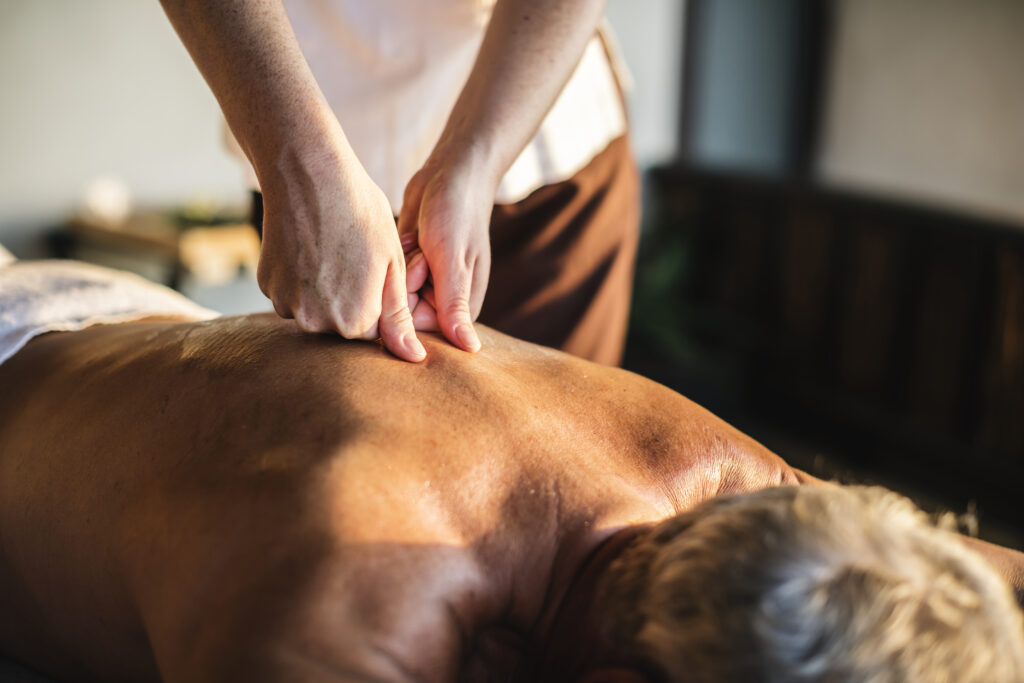
The right frequency is very individual, but many active adults in Greater Victoria choose one of the following patterns:
- Once every 4–6 weeks for maintenance and general mobility support
- Every 2–3 weeks during heavy training blocks or stressful work periods
- Shorter, more frequent visits for a limited time when recovering from a specific flare-up or sports injury
During your first visit with an RMT Victoria BC at our clinic, we discuss your activity level, work demands, previous injuries, and goals. Together, we create a plan that fits your schedule, budget, and comfort level. You remain in control of how often you come in; our role is to guide and support you with clear information and options.
What to Expect at Equilibrium Therapeutics
From your first session, our focus is on calm, collaborative, patient-centered care. When you come in for registered massage therapy in Victoria BC, you can expect:
- A thorough conversation about your health history, activities, and goals
- Assessment of posture, movement, and areas of tension or discomfort
- A treatment tailored to your needs—ranging from gentle Swedish-style relaxation work to more focused, deep tissue or orthopedic-style techniques
- Clear communication about pressure, techniques, and your comfort throughout
- Simple home-care suggestions that may include stretching, movement breaks, or coordination with our kinesiology and therapeutic exercise services when appropriate
Our three locations across Greater Victoria are designed to feel welcoming and unhurried, so you can relax and feel fully supported during your visit.
FAQ: Massage Therapy for Active Adults in Greater Victoria
Is massage therapy only for people with injuries?
No. Many of our patients come in not because of a specific injury, but because they want to maintain mobility, reduce stiffness, and support an active lifestyle Victoria residents value. Massage therapy may be helpful both for recovery and for ongoing maintenance.
Can massage therapy help with back or neck pain from desk work and exercise?
Yes, massage therapy may ease muscular tension related to posture and activity, which can contribute to back and neck discomfort. If your pain is more persistent, we may suggest integrating massage with other services such as our back pain and sciatica or neck pain programs for a more comprehensive plan.
What is the difference between relaxation and deep tissue massage?
Relaxation or Swedish-style massage usually uses lighter, flowing strokes aimed at general comfort and stress relief. Deep tissue massage focuses more specifically on areas of chronic tension, often with slower, more targeted pressure. For active adults, we often blend these approaches to support both nervous system relaxation and muscle recovery.
Is massage therapy painful?
Massage should not feel overwhelming. Some people find deeper work slightly uncomfortable in tight areas, but it should stay within a tolerable range and ease quickly. Our RMTs check in with you regularly and adjust pressure based on your feedback.
Do I need a referral to see a registered massage therapist in Victoria BC?
Most patients do not need a referral to see an RMT Victoria BC at our clinic, although some extended health plans may require one for reimbursement. Our administrative team can help you understand your coverage and direct billing options.
Can massage therapy help with chronic conditions like osteoarthritis?
Massage and other manual therapies may help some people with joint conditions feel more comfortable and move more easily, although research findings are mixed and results can vary from person to person.3 We tailor your plan to your symptoms, goals, and any medical guidance you have received.
Find the Full-Body Support You’re Looking For at Equilibrium Therapeutics
If you are an active adult in Victoria, Saanich, Oak Bay, View Royal, or Colwood and you would like personalized guidance on how regular massage therapy may support your long-term mobility, we welcome you to Book an Appointment with our team.
References
- Unalmis Y, et al. Efficacy of fascial manipulation in musculoskeletal pain management: A decade in review (2015-2025). J Bodyw Mov Ther. 2026. doi:10.1016/j.jbmt.2025.11.011
- Yao L, Gan J, Romagnoli M, Liu D, Staiano W. Tissue flossing: A systematic review and meta-analysis of its effects on range of motion, pain, muscle strength, and performance. J Strength Cond Res. 2026. doi:10.1519/JSC.0000000000005340
- Ribeiro PFS, et al. Effect of Manual Therapy on Pain Processing in People With Knee Osteoarthritis: A Systematic Review. J Manipulative Physiol Ther. 2025. doi:10.1016/j.jmpt.2025.10.022