
Getting back to exercise after an injury can feel overwhelming, especially when you’re unsure what your body is ready for or worried about getting hurt again. The good news? You don’t have to navigate recovery alone. At Equilibrium Therapeutics, our kinesiologists can help you rebuild strength, improve movement and regain confidence at your own pace.
Let’s explore how our kinesiology services in Victoria, BC can help you get back to the activities you enjoy.

Why Can Returning to Exercise Feel Difficult After an Injury?
After an injury, taking time away from exercise can leave you feeling weaker, stiffer or less confident in your movements. Activities that once felt easy may become more challenging, and it’s natural to worry about getting hurt again.
Finding the right balance between rest and activity isn’t always easy. Kinesiology can help you gradually rebuild strength, improve mobility and feel more confident returning to the activities you enjoy.
How Can Kinesiology Help You Recover After an Injury?
Kinesiology uses movement and exercise to help improve strength, mobility and everyday function. At Equilibrium Therapeutics, our kinesiologists support people recovering from injuries and returning to the activities they enjoy.
Often introduced after an initial assessment by a physiotherapist or chiropractor, kinesiology focuses on rebuilding strength and improving movement to support your recovery.
Understanding Your Injury and Movement Goals
Your first appointment is an opportunity to talk about your injury, how you’ve been feeling and what you’d like to get back to doing.
Your kinesiologist may also assess:
- Strength: How well your muscles support different movements.
- Range of motion: How comfortably your joints move.
- Balance and stability: How well you control your body during everyday activities.
- Movement patterns: How you walk, bend, lift or perform other movements related to your goals.
These assessments help your kinesiologist understand your current abilities and identify areas that may benefit from additional support.
Building Strength and Confidence at Your Own Pace
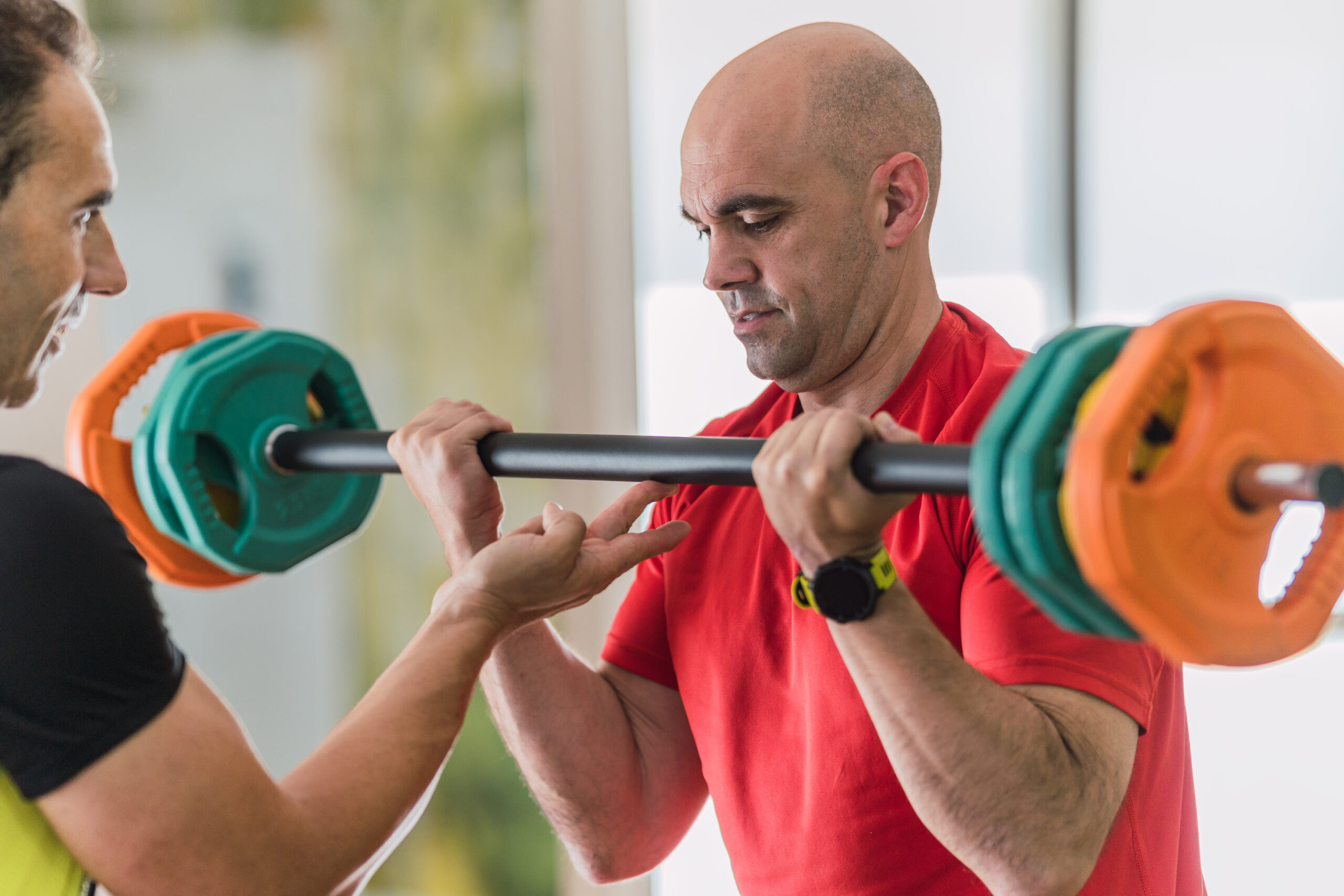
Once your kinesiologist understands your needs, they’ll create a personalized exercise program designed around your recovery.
Depending on your injury and what you’d like to get back to doing, your program may include:
- Gentle mobility exercises: To help improve flexibility and movement.
- Strengthening exercises: To rebuild muscle strength and support your joints.
- Balance and stability training: To improve coordination and control.
- Activity-specific exercises: To help prepare your body for activities like running, lifting weights or playing sports.
For example, if you’re recovering from an ankle injury and want to get back to running, your kinesiologist may start with exercises to improve ankle strength and balance before gradually introducing more challenging movements.
Throughout your sessions, they’ll guide you through each exercise, help you practise proper technique and adjust your program as you progress. You may also receive simple exercises to do at home between appointments.
This approach uses the principles of therapeutic exercise to help you gradually rebuild strength, improve mobility and feel more confident moving again.
Working Together With Your Healthcare Team
Recovery sometimes involves more than one type of treatment.
At Equilibrium Therapeutics, our kinesiologists can work alongside our physiotherapy and chiropractic teams to help support your rehabilitation.
This collaborative approach allows your care team to share information, monitor your progress and adjust your treatment as your needs change.

Getting Back to the Activities You Love
Everyone’s recovery looks a little different, and so do their goals. Whether you’re recovering from a recent injury or dealing with an old one, getting back to the activities you enjoy is an important part of moving forward.
For you, that might mean:
- Returning to the gym: Building strength and confidence to get back into your regular workouts.
- Enjoying outdoor activities: Getting back to hiking, cycling or walking along the Galloping Goose Trail.
- Playing your favourite sports: Returning to activities like pickleball, running or recreational sports.
- Moving more comfortably: Feeling stronger and more confident during everyday activities.
Whatever your goals, kinesiology can help you gradually rebuild strength, improve mobility and return to being active at a pace that works for you.
According to Canada’s 24-Hour Movement Guidelines, adults should aim for:
- 150 minutes of moderate to vigorous physical activity each week, such as brisk walking, swimming or cycling.
- Muscle-strengthening activities at least twice a week, such as resistance training or lifting weights.
After an injury, reaching these goals may take time, and that’s okay. Your kinesiologist can help you gradually increase your activity without rushing your recovery.
Additional Support for Your Recovery
At Equilibrium Therapeutics, we understand that every injury and recovery journey is different. Depending on your needs, our team can also help with:
- Sports injury rehabilitation: Supporting your recovery from sports injuries and helping you work toward returning to your favourite activities.
- Motor vehicle accident recovery: Providing movement-based rehabilitation when appropriate following a car accident. Learn more about our ICBC services.
- Building healthier movement habits: Helping you find practical ways to become more active and support your long-term health.
With November marking Movember, it’s also a great opportunity to focus on men’s health and the benefits of staying active. If an old injury or ongoing discomfort has been holding you back, getting support can be a positive first step toward moving more comfortably.
Frequently Asked Questions About Kinesiology and Injury Recovery
How do I know if I’m ready to exercise again after an injury?
It depends on your injury, your recovery and the type of exercise you’d like to return to. Being able to complete everyday movements comfortably is a positive sign, but it doesn’t always mean you’re ready for more demanding activities. A physiotherapist or kinesiologist can assess your movement, strength and mobility to help determine an appropriate starting point.
What’s the difference between a kinesiologist and a physiotherapist?
Physiotherapists assess and treat injuries and movement-related conditions using approaches such as exercise, education and hands-on treatment. Kinesiologists focus on exercise-based rehabilitation, strength and movement. Depending on your needs, both professionals may play a role in your recovery.
How long does exercise rehabilitation usually take?
Recovery looks different for everyone. The type and severity of your injury, how long you’ve been inactive and your personal goals can all affect your progress. Your kinesiologist will monitor how you’re doing and adjust your exercises as you build strength and confidence.
Can kinesiology help with an old injury?
Yes, kinesiology may help if you’re still experiencing weakness, stiffness or difficulty with certain movements following an older injury. A kinesiologist can assess your current abilities and create an exercise program to address areas that need support. Learn more about our kinesiology programs in Victoria.
Do I need to be physically fit to see a kinesiologist?
Not at all! Kinesiologists work with people of different ages, abilities and fitness levels. Whether you’ve been inactive for several months or you’re hoping to return to competitive sports, your program can be adjusted to match your starting point and goals.
Take the Next Step Toward Moving With Confidence
Getting back to exercise after an injury doesn’t always happen as quickly as you’d like, and progress may look a little different from week to week.
With the right guidance, a personalized exercise program and gradual progress, you can work toward rebuilding strength and feeling more comfortable with movement.
At Equilibrium Therapeutics, our kinesiologists in Victoria, BC are here to help you take those next steps at a pace that works for you.
Ready to Get Back to the Activities You Enjoy?
Whether you’re recovering from a recent injury or struggling to regain confidence after an older one, our kinesiologists can help you build strength, improve mobility and work toward your movement goals.
With three convenient clinics across Greater Victoria and online booking available, getting started is simple.
Book an appointment with one of our kinesiologists today.
References
- Canadian Society for Exercise Physiology. Canadian 24-Hour Movement Guidelines for Adults Aged 18–64 Years. https://csepguidelines.ca/guidelines/adults-18-64/
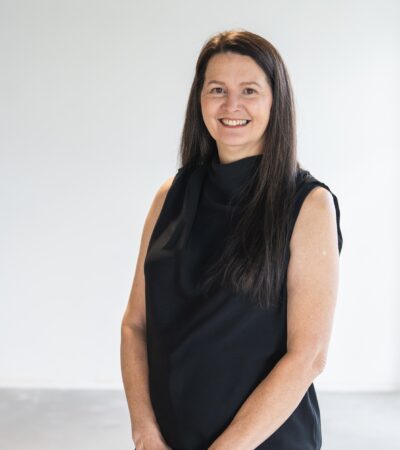
Brenda Beattie, Registered Massage Therapist (BSc)
Brenda has over three decades of experience as a registered massage therapist and co-owns Equilibrium, a multidisciplinary clinic in Victoria, where she specialized in deep tissue and myofascial work with a special interest in TMJ-related pain and headaches.