
Staying active in Victoria, BC can be a big part of feeling healthy, independent, and able to enjoy everything from walking Dallas Road to hiking Mount Doug. For many people, the challenge is not knowing how to move safely when pain, old injuries, or health conditions start getting in the way. That is where kinesiology may help. At Equilibrium Therapeutics, we offer kinesiology in Victoria, BC as part of our integrated approach to active rehabilitation and long-term mobility. Our goal is to help you understand your body, move with more confidence, and stay active in the ways that matter most to you.
What is kinesiology?
Kinesiology is the science of human movement. In our clinic, kinesiology therapy in Victoria focuses on how your muscles, joints, and nervous system work together during everyday activities, sports, and work tasks.
In practical terms, when you work with a kinesiologist, you are working with a movement-focused health professional who designs and guides exercise programs tailored to your body and goals. Instead of a generic workout plan, you receive targeted exercise therapy that may help with pain, strength, posture, and overall functional movement.
Our kinesiologists often collaborate closely with our physiotherapists, massage therapists, chiropractors, acupuncturists, and clinical counsellors so that your care feels coordinated and consistent across our three Greater Victoria clinic locations.
What does a kinesiologist do at our Victoria clinics?
Many people first ask, “What does a kinesiologist do, exactly?” At our kinesiology clinic, sessions are active and hands-on in the sense that you are moving, learning, and practicing, rather than simply lying on a treatment table.
A typical session may include:
- Movement assessment: Looking at how you walk, squat, reach, lift, or perform sport-specific movements to identify areas of weakness, stiffness, or compensation patterns.
- Goal setting: Clarifying what “better” looks like for you. Whether that is less pain on hills, returning to pickleball, keeping up with your kids, or feeling more stable on stairs.
- Exercise prescription: Designing an individualized exercise program that may include strength work, mobility exercises, balance training, and conditioning.
- Education and coaching: Helping you understand why certain movements help, how to pace yourself, and how to fit activity into your daily routine.
Because our approach is collaborative, your kinesiologist may work alongside our physiotherapy or registered massage therapy teams to support recovery from specific conditions such as back pain, shoulder pain, or sports injuries.
How can kinesiology help you stay active in Victoria, BC?
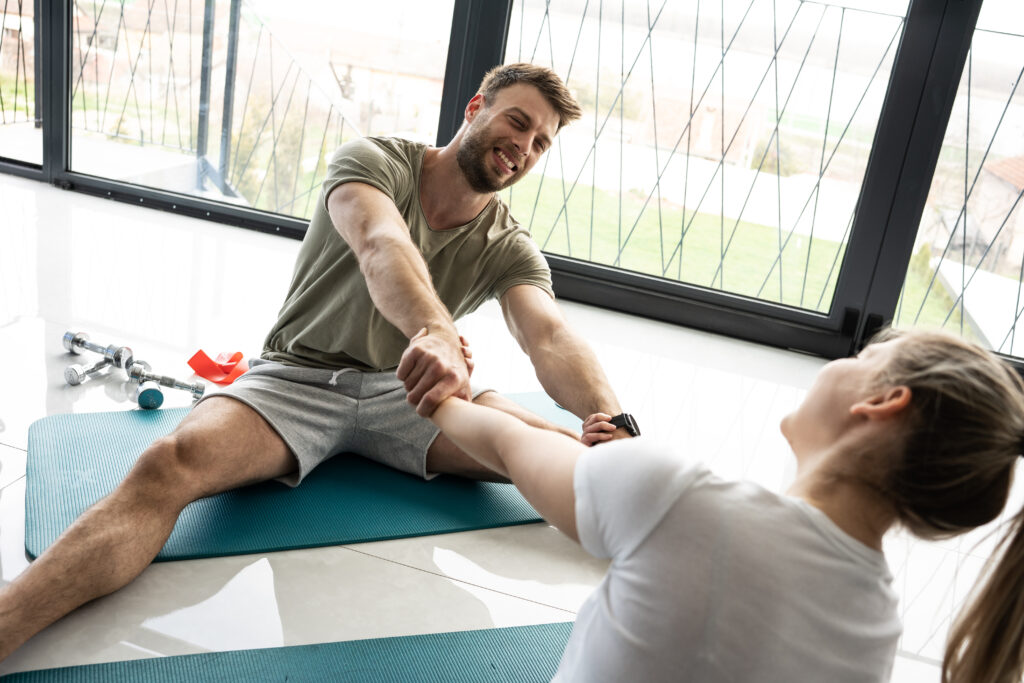
Our active patients across Victoria, Saanich, Oak Bay, View Royal, and Colwood often come to kinesiology because they want to keep moving. Pain, fatigue, stiffness, or fear of re-injury may be what is holding them back. Kinesiology may help in several ways.
Supporting injury recovery and active rehabilitation
After an injury or flare-up, it can be hard to know when and how to return to activity. A structured, progressive exercise program may support gradual improvements in strength, control, and confidence so you can return to walking, running, or participating in sports in a safer and more comfortable way.
Exercise is also an important part of managing many chronic conditions. For example, in people with type 2 diabetes, structured exercise programs have been associated with improvements in long-term blood sugar levels (HbA1c), fasting blood glucose, body mass index, and aerobic capacity.1 These kinds of benefits may help support overall health while you work on staying active.
Helping manage fatigue and limited endurance
Some people worry that exercise will make their fatigue worse, especially if they are living with long-term muscle or nerve conditions. Research in late-onset muscular dystrophies suggests that therapeutic exercise appears to be a safe adjunct and may provide small, although not statistically significant, improvements in fatigue, exercise tolerance, and aerobic capacity.2 While this evidence is cautious, it supports the idea that carefully designed, supervised exercise can often be part of a supportive care plan rather than something to avoid altogether.
Our kinesiologists in Victoria, BC pay close attention to pacing, rest breaks, and gradual progression so that exercise feels manageable and sustainable rather than overwhelming.
Improving confidence with movement and long-term adherence
Sticking with physical activity over the long term can be challenging, especially when you are dealing with joint pain, osteoarthritis, or a busy schedule. For people with hip and knee osteoarthritis, ongoing physical activity is considered an important part of management, yet maintaining that activity beyond six months is often difficult.3
Research suggests that confidence in your abilities (self-efficacy), social support, and having the right resources are key factors that influence whether people keep up with activity over time.3 Our kinesiologists focus on these same elements by:
- Building your skills gradually so you feel more capable and independent.
- Offering encouragement and clear guidance, which may help ease fear of movement.
- Helping you plan around real-life barriers like time, energy, and work demands.
This kind of support may make it easier to maintain regular activity such as walking, cycling, or gym training, which in turn can support joint health, cardiovascular fitness, and overall wellbeing.
What to expect from kinesiology sessions at Equilibrium Therapeutics
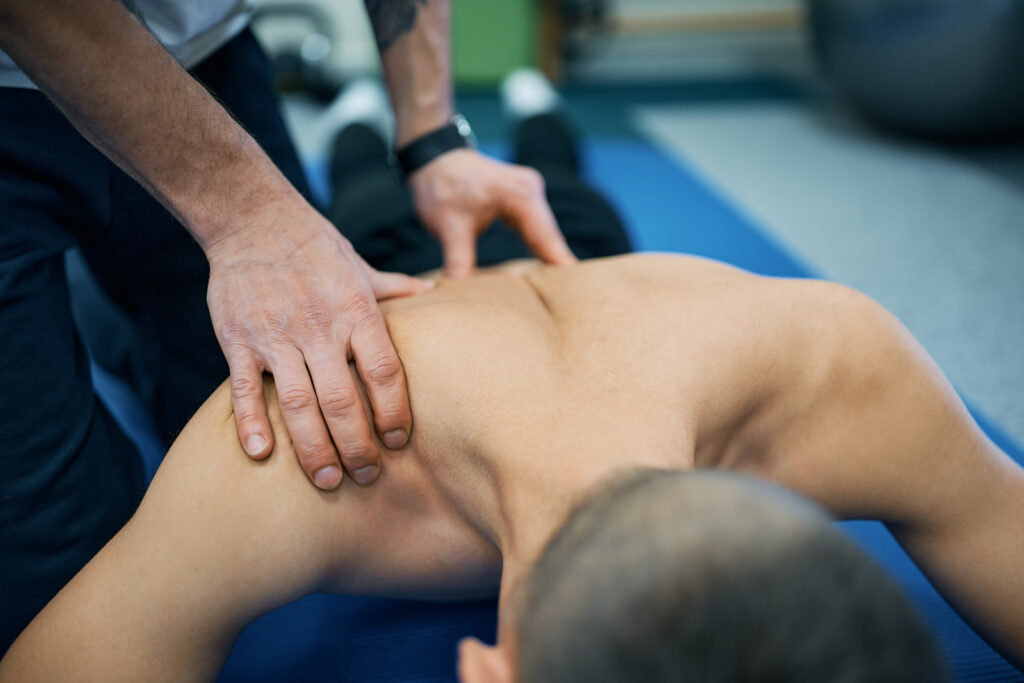
We want your sessions to feel calm, structured, and purposeful. At our Victoria kinesiology clinic locations, your visits generally follow a few simple steps.
- Initial assessment: We discuss your health history, current symptoms, activity levels, and goals. We may review related care you are receiving, such as sports injury treatment or chronic pain management.
- Movement assessment: Your kinesiologist observes how you move and may perform basic strength or balance tests to guide your program.
- Individualized program: We create a clear exercise plan tailored to your needs, often including home exercises so you can continue progressing between visits.
- Ongoing progression: As you improve, your program is adjusted so you continue to build capacity without feeling pushed too fast.
If needed, we may combine your kinesiology care with other services such as active rehabilitation and kinesiology sessions, therapeutic exercise, or chiropractic care so your plan feels cohesive and supportive.
Is kinesiology right for you?
Kinesiology may be a good fit if you:
- Want to return to or maintain activities like hiking, running, yoga, or cycling.
- Are recovering from an injury and need guidance on safe progression.
- Have ongoing pain or stiffness and feel unsure how to exercise without making things worse.
- Live with a chronic condition and want to explore safe, progressive exercise as part of your overall care.1,2
- Prefer an active, coaching-based approach where you are involved in your own recovery.
Our Kinesiology team in Victoria, Saanich, and the West Shore BC aims to meet you where you are. Whether you are just starting to move again or looking to fine-tune performance and prevent future injuries, we are here for your movement goals.
FAQ: Kinesiology in Victoria, BC
Is kinesiology the same as physiotherapy?
Kinesiology and physiotherapy both involve exercise and movement, but they are distinct professions. In our clinic, physiotherapists often focus on diagnosis, hands-on techniques, and early-stage rehabilitation, while kinesiologists typically focus on active rehabilitation, exercise progression, and longer-term functional movement. We frequently have both working together so your care feels seamless.
Can kinesiology help with pain and movement issues?
Many people find that improving strength, mobility, and movement patterns through guided exercise may help reduce day-to-day pain and stiffness and support more efficient movement. Kinesiology for injury recovery and ongoing maintenance may contribute to better resilience and comfort during activities you enjoy. The exact results are individual, so we take time to tailor your plan and adjust as needed.
Do I have to be “fit” to see a kinesiologist?
No. We regularly work with people who are just getting back to activity, managing chronic conditions, or feeling uncertain about where to start. Your program is built around your current abilities, with gradual progression and plenty of support along the way.
How often will I need kinesiology sessions?
Frequency depends on your goals, schedule, and how complex your situation is. Some people benefit from weekly sessions at first, then shift to less frequent check-ins as they become more confident with their home exercises. We will discuss a plan together and adjust over time.
Do you work with ICBC or sports injuries?
Yes, we offer active rehabilitation programs for ICBC motor vehicle accident injuries and a wide range of sports injuries. Kinesiology often plays a key role in rebuilding strength, coordination, and trust in your body after an accident or sports-related issue.
Ready to Take the Next Steps Toward Better Movement?
If you would like personalized guidance on how kinesiology in Victoria, BC may support your activity, mobility, or recovery, you can Book an Appointment with our team.
References
- Liu Y, et al. Meta-analysis of the effects of exercise intervention on glucose metabolism and body composition in patients with type 2 diabetes mellitus. Front Endocrinol (Lausanne). 2026. doi:10.3389/fendo.2026.1835096
- Bazigha F, et al. Therapeutic exercises and its impact on fatigue, physical endurance and exercise tolerance in late-onset muscular dystrophies: a systematic review & meta-analysis. Neurol Sci. 2026. doi:10.1007/s10072-026-09217-8
- Hempenstall P, et al. Barriers to and facilitators of maintaining physical activity for people with hip and knee osteoarthritis: a mixed-methods systematic review. Rheumatol Int. 2026. doi:10.1007/s00296-026-06230-0