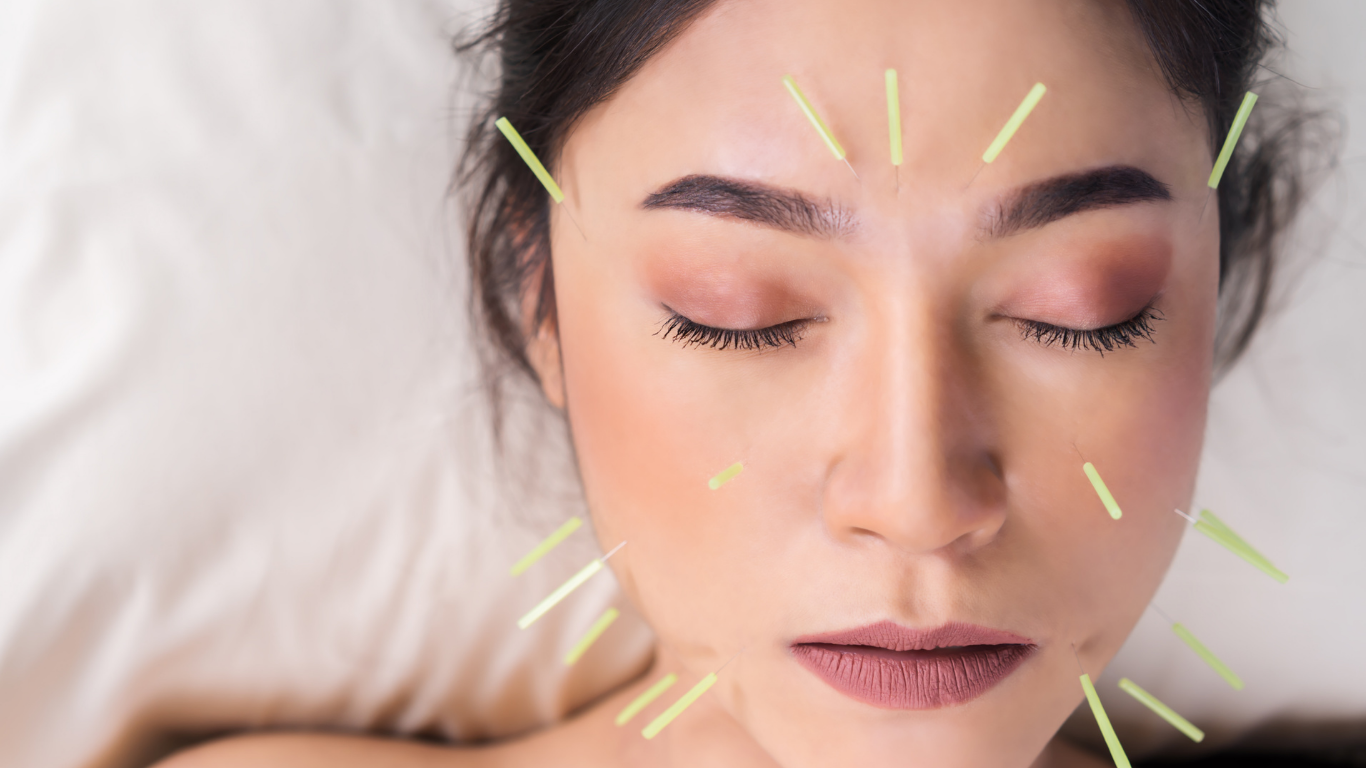
Many people in Victoria, BC juggle busy careers, family life, and active hobbies—and over time, that constant pace can take a toll on mental health. Stress, worry, and physical tension often show up together, making it harder to unwind, sleep well, and enjoy the activities you love. At Equilibrium Therapeutics, we frequently meet patients who are looking for natural, supportive ways to calm their minds and bodies. Acupuncture is one approach that may offer gentle support for stress relief and emotional wellbeing.
How Acupuncture May Support Your Mental Health
Acupuncture is a key part of traditional Chinese medicine (often called TCM) and has been used for centuries to support the body’s ability to rebalance and recover. At our acupuncture clinic in Victoria, BC, we use very fine, sterile needles at specific points along what are known as meridian pathways. These points are chosen to encourage relaxation, ease tension, and support the nervous system.
Modern research suggests that acupuncture may help reduce anxiety symptoms and promote a calmer state of mind. For many of our patients, this feels less like being “numbed” and more like having their stress response dialled down so they can cope better with daily demands.
The Science: Acupuncture, Anxiety, and Stress Relief
In recent years, more clinical research has explored the relationship between acupuncture and anxiety. A large review of randomized controlled trials found that manual acupuncture was associated with a meaningful reduction in anxiety compared with sham acupuncture and usual care in the short term. These calming effects were also maintained at follow-up.
This evidence suggests that acupuncture for stress relief and anxiety may do more than provide a simple placebo effect. A related therapy called transcutaneous electrical acupoint stimulation uses electrical stimulation on acupuncture points without needles. It has been shown to reduce anxiety, heart rate, and blood pressure in adults prior to surgery, as well as ease postoperative pain. These changes point toward shifts in the autonomic nervous system, which helps regulate our fight-or-flight response.
Other research in people living with cancer-related fatigue found that acupuncture-related approaches, including moxibustion and warm acupuncture, may improve fatigue and quality of life. They may also positively influence certain immune markers. While this work focuses on people with cancer, improvements in quality of life and overall wellbeing are closely linked with emotional health and resilience.
What Happens During an Acupuncture Session?

When you visit us for acupuncture, we start by talking about your main concerns. This might include ongoing stress, sleep difficulties, anxiety, or physical symptoms such as headaches, neck tension, or chronic pain. We may also ask about your work, exercise, and daily routines to understand what might be contributing to your stress load.
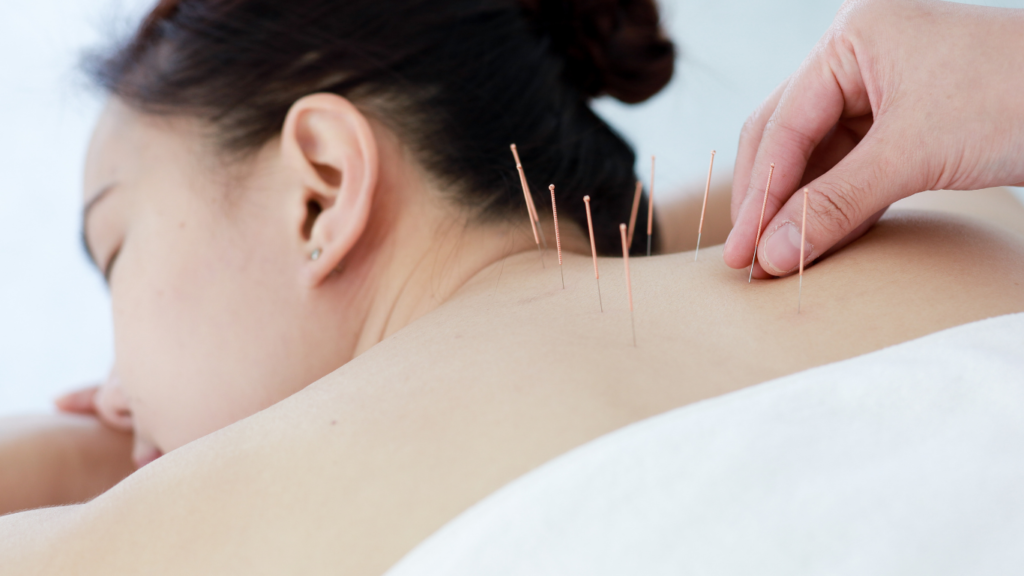
From there, one of our acupuncture practitioners will create an individualized treatment plan. During a typical session, you’ll lie comfortably on a treatment table in a quiet, calming room. Very fine needles are placed at specific acupuncture points, often on the legs, arms, back, or head. Most people feel minimal discomfort—often described as a dull ache, warmth, or a gentle heaviness that fades quickly. Once the needles are in place, you’ll usually rest for 20–30 minutes while your body settles into a more relaxed state.
Many patients describe feeling deeply relaxed or even sleepy during treatment. This sense of calm may reflect supportive changes in the autonomic nervous system. These changes can include shifts in heart rate and blood pressure, similar to what has been observed with related therapies such as electrical acupoint stimulation.
How Acupuncture May Help With Stress, Anxiety, and Emotional Wellbeing
Every person’s experience is unique, but based on both research and what we observe in our clinic, acupuncture may help with several areas of wellbeing.
- Day-to-day stress management: By supporting the nervous system and encouraging a shift away from constant fight-or-flight mode, acupuncture may help you feel more grounded and resilient in the face of everyday pressures.
- Anxiety symptoms: Clinical trials suggest that acupuncture and related techniques are associated with reduced anxiety levels when compared with control approaches.
- Physical tension and pain: Tension in the neck, shoulders, jaw, and back often rises along with mental stress. Addressing pain and tightness can make it easier to relax and sleep, which in turn supports mental health.
- Energy and quality of life: For people managing chronic conditions, acupuncture-related methods may contribute to improvements in fatigue and overall quality of life.
It is important to remember that acupuncture is not a stand-alone “cure” for anxiety or other mental health conditions, but it may be a helpful piece of a broader plan that can include counselling, movement, and medical care.
Integrating Acupuncture Into Holistic Care at Our Clinic

At Equilibrium Therapeutics, we view mental health as closely connected with the whole body. Stress and anxiety often show up as muscle tension, headaches, digestive upset, sleep problems, and flare-ups of existing injuries or pain. Our multidisciplinary team allows us to weave acupuncture into broader care plans that may also include massage therapy, chiropractic care, and clinical counselling.
For example, someone dealing with chronic pain and low mood may benefit from a combination of acupuncture, registered massage therapy, and clinical counselling. Another person who feels anxious due to recurring back or neck discomfort might appreciate working with both an acupuncturist and a physiotherapist to address underlying mechanics while also supporting nervous system regulation.
This integrated, patient-centred approach reflects our belief that mental health support works best when it considers the whole person—body, mind, and lifestyle.
Is Acupuncture Safe?
When provided by a trained, regulated practitioner, acupuncture is generally considered a low-risk therapy. In anxiety-focused research, reported adverse events were usually minor and temporary. These included brief soreness, a small amount of bleeding, or localized discomfort, with no serious events reported. We follow strict hygiene and safety standards at our clinic and always use sterile, single-use needles.
Before starting treatment, we review your health history and any medications you are taking. This helps us ensure acupuncture is appropriate for you. If we feel a different or additional service would better support your needs—such as mental health-focused services or counselling—we will discuss those options with you.
Frequently Asked Questions About Acupuncture for Stress and Anxiety in Victoria, BC
Can acupuncture help with stress and anxiety?
Research suggests that acupuncture is associated with meaningful reductions in anxiety symptoms compared with control conditions, at least in the short term. Related techniques that stimulate acupuncture points without needles have also been shown to reduce anxiety and calm the cardiovascular response before surgery. While everyone responds differently, many of our patients report feeling more relaxed, sleeping better, and coping more easily with daily stress after a series of treatments.
How many acupuncture sessions will I need?
The number of sessions varies from person to person. Some people notice changes in their stress levels or sleep within a few treatments, while others prefer ongoing, maintenance-style care as part of their self-care routine. During your first visit, we will suggest a plan based on your goals, current symptoms, and schedule, and we will adjust over time as your needs change.
Will acupuncture replace my medication or counselling?
Acupuncture is best thought of as a complementary therapy. It does not replace medication, psychotherapy, or other medical care, and any changes to prescriptions should always be discussed with your prescribing provider. Many people find that combining acupuncture with counselling, exercise, and other supportive approaches offers a more complete foundation for emotional wellbeing.
Is acupuncture painful?
Most people are pleasantly surprised by how gentle acupuncture feels. The needles are very thin, and any sensation is usually mild and brief. Some people feel warmth, heaviness, tingling, or a dull ache around the point for a moment, followed by a deep sense of relaxation.
Do you offer other services to support stress reduction and mental health?
Yes. Alongside acupuncture and traditional Chinese medicine approaches in Victoria, BC, we offer services such as physiotherapy, massage therapy, chiropractic care, kinesiology, and clinical counselling. These services can be combined to support pain relief, movement, nervous system support, and emotional wellbeing, depending on what you need most at this stage of your life.
Try Acupuncture Therapy at Equilibrium
If you’re curious about acupuncture for mental health in Victoria, BC and would like to explore how it may support your stress reduction and overall wellbeing, we invite you to book an appointment with our team.