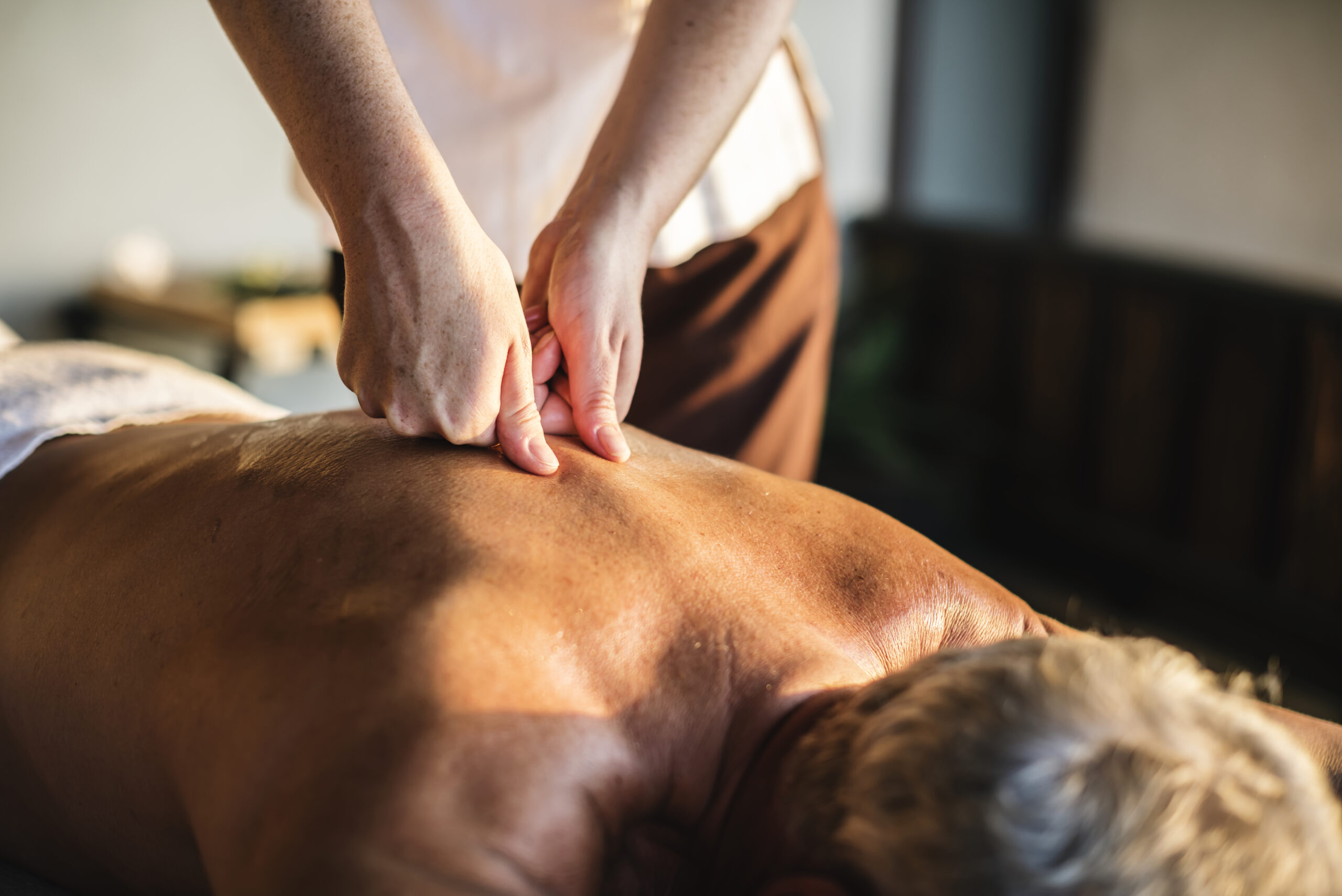
If pain or muscle tension keeps coming back, it can start to affect more than just your body. A stiff neck, aching lower back, or tight shoulders can make it harder to sleep, move comfortably, work, or enjoy your day.
Chronic pain affects about one in five Canadians, and September’s Pain Awareness Month is a reminder that ongoing pain deserves attention and support. For some people, massage therapy in Victoria, BC can be part of a broader approach to managing pain and improving movement.

Understanding Chronic Pain and Muscle Tension
Chronic pain generally refers to pain that lasts or returns for more than three months. It can be linked to:
- An old injury
- Repetitive strain or overuse
- Posture and movement habits
- Stress and muscle tension
- Conditions such as osteoarthritis
Pain and muscle tension can also reinforce each other. When an area hurts, nearby muscles may tighten to protect it, which can make movement more difficult and contribute to further discomfort.
Massage therapy works with the muscles and other soft tissues to help reduce tension and make movement feel more comfortable.
How Massage Therapy for Chronic Pain Works
Your treatment starts with understanding you and your pain. Your RMT will then assess your movement and develop a treatment approach based on your needs. Massage therapy for chronic pain is not about simply using as much pressure as possible. Your therapist will check in throughout your appointment and adjust the treatment to keep you comfortable.
At Equilibrium, your registered massage therapist (RMT) will talk with you about:
- Where you are experiencing pain
- How long you have been dealing with it
- What makes it better or worse
- How it affects your daily life
- What you would like to get back to doing
What Type of Massage Can Help With Chronic Pain?
There is no single treatment that works for everyone. Depending on your needs, your RMT may use a combination of techniques, including:
- Deep tissue massage: Uses slower, sustained pressure to address deeper muscle tension and areas of long-standing tightness.
- Myofascial release: Uses gentle, sustained pressure to work with restricted fascia and support comfortable movement.
- Trigger point therapy: Focuses on sensitive areas of muscle that may contribute to pain elsewhere in the body.
- Orthopaedic and sports massage: May be helpful when pain is related to an injury, overuse, or an active lifestyle.
You can learn more about deep tissue massage in Victoria, myofascial release, trigger point therapy, and orthopaedic manual massage therapy.
Why a Multidisciplinary Approach Can Help
Chronic pain is often more complicated than one tight muscle or sore area. Massage therapy can be one part of a broader treatment plan. At Equilibrium, your RMT can work alongside other practitioners, including physiotherapists, chiropractors, acupuncturists, kinesiologists, and clinical counsellors.
For example, massage may help reduce muscle tension while physiotherapy focuses on strength, mobility, and movement patterns. Your RMT can also recommend simple strategies to support you between appointments, such as stretching or gentle exercises.

Frequently Asked Questions
What type of massage is best for chronic pain?
It depends on what is contributing to your pain. Your RMT can recommend an approach based on your symptoms, movement, and goals. Techniques may include deep tissue massage, myofascial release, or trigger point therapy.
Is deep tissue massage supposed to hurt?
Massage should not be unbearable. Some pressure or mild discomfort can occur, but your therapist will check in and adjust the treatment to your comfort level. Some people may experience mild soreness afterward.
How often should I get massage therapy for chronic pain?
There is no set schedule. Your RMT can recommend a frequency based on your symptoms, goals, and how you respond to treatment.
Do I need a referral to see an RMT in Victoria?
No. You can book directly with a registered massage therapist in BC. If you plan to use extended health benefits, check your coverage to see whether a referral is required for reimbursement. Equilibrium also offers direct billing to most insurance providers.
Can massage help with tension headaches?
Massage may help relieve tension in areas such as the neck, shoulders, and jaw that can contribute to tension headaches. Your RMT may use techniques such as trigger point therapy or TMJ massage.
Finding Support for Chronic Pain
Living with ongoing pain can be frustrating and exhausting. You do not have to simply push through it. Book an appointment with our massage therapy team todayfeel more comfortable in your body?
References
1. Health Canada. Canadian Pain Task Force Report: June 2019. https://www.canada.ca/en/health-canada/corporate/about-health-canada/public-engagement/external-advisory-bodies/canadian-pain-task-force/report-2019.html

Brenda Beattie, Registered Massage Therapist (BSc)
Brenda has over three decades of experience as a registered massage therapist and co-owns Equilibrium, a multidisciplinary clinic in Victoria, where she specialized in deep tissue and myofascial work with a special interest in TMJ-related pain and headaches.