


Recovering from A Rotator Cuff Injury with Integrated Care



Recovering from A Rotator Cuff Injury with Integrated Care
Don’t Skip Your Appointments After A Rotator Cuff Injury — Here’s Why!
It is estimated that as many as 180,000 Canadian adults experience the symptoms of a rotator cuff injury every year. A significant portion of those patients initially choose non-surgical treatments, like physiotherapy, to repair and recover from the injury rather than undergoing a surgical procedure. Research suggests that most patients have positive outcomes and improved function with conservative treatment, especially when the rotator cuff injury is identified and treated early.
The decision for surgical repair is typically based on factors such as the severity of the injury, the patient’s age and activity level, and their response to non-surgical treatments. Fortunately, Equilibrium’s integrated approach — which includes physiotherapy, massage therapy, chiropractic care, acupuncture, and kinesiology — can help improve your recovery whether you have surgery or not.
What is a Rotator Cuff Injury?
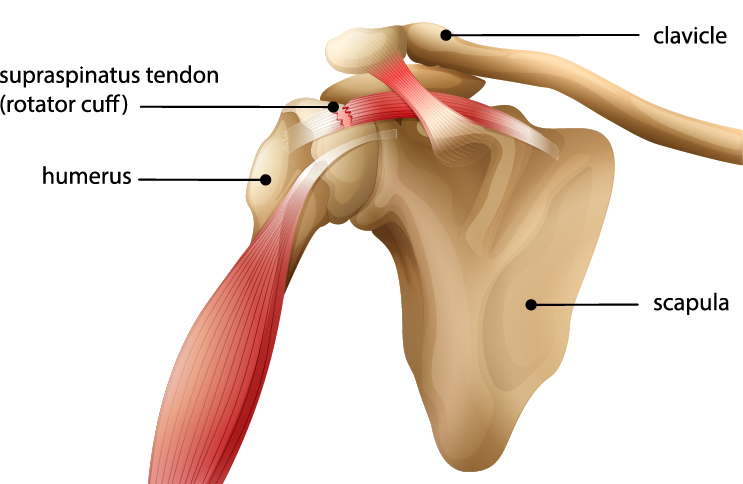
The rotator cuff is a group of muscles and tendons surrounding the shoulder joint that plays a significant role in the movement and stability of the joint. The muscles work together to stabilize the shoulder joint and facilitate various movements, such as lifting and rotating the arm.
Rotator cuff injuries can occur due to a variety of causes, including:
- Degeneration due to aging
- Repetitive overhead motions
- Sudden trauma or injury
Integrated Care Before and After Rotator Cuff Repair Surgery
Considering rotator cuff surgery? Integrated care, especially physiotherapy, can be your secret weapon for a smoother journey before and after the procedure.
Pre-Surgery Advantage
Go into surgery stronger: Build muscle strength and control around your shoulder for better support during healing.
Reduce pain and restore motion: Massage, manual therapy techniques, and acupuncture can all help minimize discomfort and improve range of motion.
Recover faster: Stronger muscles translate to a quicker recovery and can help you regain shoulder function.
Prepare mentally: Understand what to expect post-surgery and gain strategies to optimize your recovery, boosting your confidence.
Post-Surgery Benefits
Manage pain effectively: Our team uses various manual techniques and modalities to keep pain at bay.
Regain lost motion: Our team will help stretch and loosen any restrictions to restore your shoulder’s range of motion.
Rebuild strength: Regain the strength you lost in your rotator cuff and supporting muscles.
Return to your life: Our ultimate goal is to help you use your shoulder fully again, allowing you to perform daily activities without limitations.
Prevent future injuries: Learn exercises to maintain shoulder strength and mobility, reducing the risk of re-injury.
By incorporating a comprehensive treatment plan from Equilibrium before and after surgery, you can help set yourself up for a successful rotator cuff surgery experience!
What to Expect from Rotator Cuff Rehabilitation
Whether you opt for surgery or not, you’ll likely still need to undergo rotator cuff injury rehabilitation, something the team at Equilibrium can help with. Our practitioners will work together to create a rehab program that combines different techniques to alleviate symptoms and promote healing:
- Massage therapy to reduce pain and help improve blood flow
- Acupuncture for acute pain relief
- Stretching to improve or restore shoulder range of motion
- Strengthening exercises to build the muscles in and around the shoulder joint and shoulder blades
- Functional movements to restore normal use of the shoulder
- Postural correction to address issues that might cause shoulder strain
Personalized Treatment with Equilibrium
We begin every program with a detailed assessment of your health history and existing condition. Next, we conduct a comprehensive physical examination, including range of motion and strength testing. We’ll discuss your questions and concerns and set achievable goals for your recovery. You can expect a comprehensive plan that includes:
- Emphasizing the importance of consistency with exercises to perform at home between sessions to maintain progress.
- Providing guidance on proper mechanics, posture, and techniques for activities involving the shoulder to prevent future injuries or re-injury of the rotator cuff.
- Preparing for a gradual reintroduction of activities and sports after recovery.
- Highlighting the significance of long-term maintenance through periodic check-ins, continued home exercises, and continuing a healthy lifestyle to maintain the strength and function of the rotator cuff.
Book an Appointment at Equilibrium Today!
A strong rotator cuff recovery involves a comprehensive approach that addresses pre and post-surgery needs or non-surgical treatment. With the guidance of our clinicians and your commitment to the rehabilitation process, you can regain shoulder function, mobility, and quality of life.
Early preparation and treatment are the keys to success, so give us a call today to schedule an appointment.


Our Patients Get Great Results
“I came in to see Derrick for a massage today looking to treat some of my back pain. It was my first massage so I was nervous about it and he was amazing when it came to listening to my experience, explaining his approach, and treatment for pain relief and how I can grow awareness to correct my back. I left feeling rejuvenated and at peace. I will be coming back!“
– Natasha T.
“Thanks to Dr. Brandon for helping relieve my lower back and shoulder pain. The care and treatment I received made a huge difference, and I’m feeling so much better. Highly recommend their services.”
— Bhawana S.
“Shoulders joints are complex, if you have ever had frozen shoulder you will understand the complexities in relation to your mobility and well being. Gary is an expert with neck and shoulders. If you’re looking for pain relief and increased mobility with frozen shoulder, Gary is your therapist. Gary has a genuine interest in your recovery. He consults with physio to establish a robust recovery plan to guide and support you throughout the different phases of frozen shoulder. I am not able to clearly articulate just how good he is, you will have to see him. You will not leave disappointed!”
– Dawn T.

The Importance of Prioritizing Mental Health
At Equilibrium, we recognize that mental wellness is just as important as your physical health, which is why we recently added counseling to the range of services we offer at our clinic.
Our licensed clinical counselors provide practical support for anyone needing a helping hand–whether addressing mental health concerns like stress or anxiety or seeking wellness coaching to enhance their mindset. We’re here to help you feel more in control and better equipped to handle the challenges of daily life.
Why Mental Health Care Matters
Mental and physical health are closely intertwined. Chronic stress and unresolved emotions can manifest as fatigue, muscle tension, or headaches. If you have an injury, poor mental health may even affect your recovery!
Fortunately, support from a qualified counselor helps interrupt these patterns and creates space for real change. Addressing your mental health can lead to:
- Improved concentration and sleep
- Better emotional regulation
- Healthier communication and relationships
- Greater self-awareness and self-esteem
- Increased motivation and performance
When Is it Time to Seek Help?
You don’t have to be in crisis to benefit from counseling. Life’s pressures can affect anyone’s mental well-being, even those without a formal diagnosis. Talking to a counselor can help clarify your thoughts, build confidence, and develop better coping habits.
Here are a few of the reasons people reach out to us:
- Persistent feelings of worry, fear, or sadness
- Trouble sleeping, focusing, or managing stress
- Mental recovery after a motor vehicle accident
- Emotional or behavioural difficulties following injury
- Support through significant life changes, loss, or transitions
- Wellness coaching and sports psychology to optimize your mental health and improve athlete performance
What Treatment Strategies Do We Offer?
Our counselors utilize a variety of therapy styles tailored to your goals and comfort level. These may include:
Cognitive Behavioural Therapy (CBT)
- This technique helps reframe negative thought patterns and encourages healthier behaviours. CBT is effective in treating anxiety, depression, and trauma-related stress.
Mindfulness-Based Techniques
- Tools like breathing exercises and grounding strategies can reduce stress and help you stay focused in the present.
Sports Psychology and Mental Performance Coaching
- These techniques support athletes or other professionals who want to improve focus, confidence, and resilience under pressure.
Exposure Techniques for Trauma Recovery
- For clients affected by triggering situations (such as fear of driving after an accident), our counselors offer gradual, supported steps to help regain your confidence.
Getting Started with Counseling at Equilibrium
We provide our counseling services in a welcoming and inclusive setting. Appointments are available for individuals of all backgrounds and ages, and remember that you don’t have to have a diagnosis to benefit from the guidance and support our counselors offer.
Whether you’re recovering from an injury, dealing with ongoing stress, or seeking mental strategies to reach your next goal, we’re here to help. Schedule an appointment today to begin your journey forward.

Feel Better by Eating Better!
Crunchy French Onion Chicken
Looking for a fun and flavorful way to liven up your dinner routine? Try this creative take on oven-baked chicken! Instead of traditional breading, crispy French-fried onions add a satisfying crunch and savory flavor. Simply coat skinless, boneless chicken breasts in beaten egg, press into crushed onions, and bake to golden perfection — no frying required.
Ingredients
- 1 ⅓ cups French-fried onions, crushed
- 1 large egg, beaten
- 1 pound skinless, boneless chicken breast halves
Preheat the oven to 400 degrees F (200 degrees C). Spread crushed onions in a shallow bowl. Pour egg into a separate shallow bowl. Dip chicken into beaten egg, then press into crushed onions. Gently tap chicken to let loose pieces fall away. Place breaded chicken on a baking sheet. Bake chicken until no longer pink in the center and the juices run clear, about 20 minutes. An instant-read thermometer inserted into the center should read at least 165 degrees. Serve and enjoy!
https://www.allrecipes.com/recipe/239896/crunchy-french-onion-chicken
Exercise of the Month
Bending Over Rows
Stand with your knees slightly bent and hinge at the hips, keeping your back flat. Hold weights in both hands and pull your elbows back, squeezing your shoulder blades together. Lower slowly and repeat for upper back strengthening.
Let’s Get You Better ASAP!
Don’t let pain dictate your life. Take the first step towards reclaiming your mobility and well-being with our expert support. Start your journey to a healthier you today.